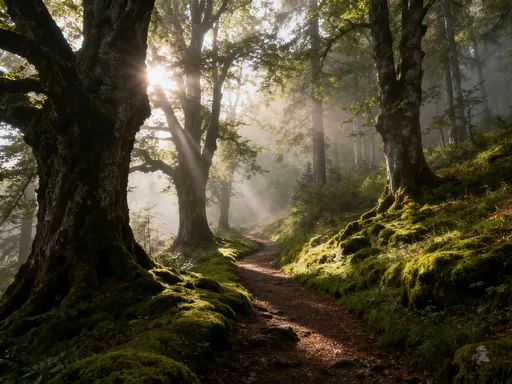
Dinner with a View: Where the Falls Become Your Tablemate
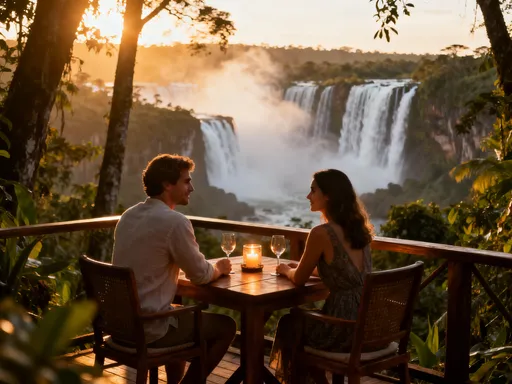
Standing at the edge of Iguazu Falls, with mist rising like nature’s breath and thunder echoing through the trees, I never thought dinner could feel this magical. But here, overlooking the roaring cascade between Brazil and Argentina, fine dining meets raw wilderness in the most unexpected way. This isn’t just a meal—it’s a moment suspended between sky and water, crafted for those who crave beauty with every bite. Welcome to the most instagram-worthy dining experience on Earth, where the symphony of falling water accompanies each course and the horizon blurs between adventure and indulgence. For travelers seeking both wonder and warmth, Iguazu offers a rare promise: a feast that feeds not only the body but the spirit.
The First Glimpse: Arriving at Iguazu with Anticipation
The journey to Iguazu Falls begins long before the first glimpse of water. Whether arriving by plane into Foz do Iguaçu in southern Brazil or crossing the border from Argentina’s side, the transition into this natural sanctuary feels like stepping into another world. The air grows heavier with humidity, rich with the scent of damp earth and blooming heliconias. As visitors enter the national park, the distant roar of falling water grows steadily louder—a constant, pulsing reminder of what lies ahead. Towering trees arch overhead, forming a living canopy that shelters howler monkeys, toucans, and iridescent blue morpho butterflies. The path winds deeper into the Atlantic rainforest, one of the last significant remnants of this once-vast ecosystem, now protected on both sides of the international border.
Then, suddenly, the forest parts. A viewing platform emerges, and there it is: Iguazu Falls in its full, breathtaking expanse. Spanning nearly three kilometers, the system comprises over 275 individual waterfalls, some plunging more than 80 meters into the churning river below. The most dramatic of these, known as Devil’s Throat, channels half of the river’s flow through a U-shaped cleft, creating a thunderous plume of mist that rises hundreds of feet into the sky. The sheer scale defies photography; no image can fully convey the vibration in the air, the cool spray on the skin, or the awe that settles in the chest. It is one of the few places on Earth where nature’s power feels truly humbling.
For many visitors, this moment marks the beginning of a deeper connection—not just to the landscape, but to the idea of travel as transformation. Unlike static monuments or curated museums, Iguazu is alive, ever-changing with the seasons and the river’s flow. It commands attention, invites stillness, and rewards presence. And increasingly, travelers are discovering that this immersion doesn’t end when the tour concludes. Dining within view of the falls has become a signature experience, not as an afterthought, but as an extension of the journey itself. Here, a meal is no longer just sustenance—it becomes ritual, a way to prolong the magic just a little longer.
Why Dining Here Feels Different: The Fusion of Nature and Nourishment
Eating near Iguazu Falls is not merely about convenience or scenic backdrops. It represents a growing movement in travel: the desire to blend sensory pleasure with environmental connection. In an age where experiences often outweigh possessions, dining with a view of one of the planet’s most powerful waterfalls offers something rare—a convergence of taste, sight, sound, and emotion. The constant roar of the falls becomes a natural soundtrack, while the ever-present mist carries the freshness of the rainforest. This is not background scenery; it is an active participant in the meal.
Restaurants near the falls are designed with intention, prioritizing open-air layouts, expansive glass walls, and elevated terraces that frame the landscape like living art. Natural materials—reclaimed wood, stone, and woven fibers—echo the surroundings, creating a sense of continuity between indoors and out. The architecture does not compete with nature; it defers to it. Even the timing of service is often aligned with natural rhythms, with dinner services extending into twilight to capture the golden hour, when the setting sun ignites the mist with streaks of amber and violet.
Psychologically, this fusion of food and environment has a profound effect. Studies in environmental psychology suggest that exposure to natural beauty reduces stress and enhances well-being. When combined with the ritual of a well-prepared meal, the effect is amplified. Diners report feeling more present, more grateful, and more connected—not only to the place but to their companions. For many, especially women between the ages of 30 and 55 who often balance caregiving, work, and personal aspirations, such moments of mindful indulgence are not luxuries but necessities. They offer a rare pause, a chance to breathe deeply and remember the joy of simple, beautiful things.
Moreover, the contrast between refinement and wildness is part of the appeal. A perfectly seared piece of fish, a glass of crisp local wine, a dessert dusted with edible flowers—these elements of elegance stand in quiet dialogue with the untamed power of the falls. It is a reminder that civilization and nature need not be at odds; they can coexist in harmony, each enhancing the other. This balance is what makes dining at Iguazu not just memorable, but meaningful.
Where the Wild Meets the Refined: Spotlight on Authentic Dining Venues
On the Brazilian side of Iguazu Falls, several dining options allow guests to enjoy gourmet cuisine while remaining immersed in the rainforest. Among the most renowned is the restaurant at Belmond Hotel das Cataratas, the only hotel located within the national park boundaries. Its location grants guests exclusive early and late access to the falls, but it is the dining experience that lingers in memory. Set on a broad terrace overlooking the cascades, the restaurant blends colonial elegance with contemporary comfort. Ceiling fans turn slowly overhead, and white linen tables are spaced generously to ensure privacy and uninterrupted views. The atmosphere is one of understated luxury, where the focus remains on the landscape.
The menu emphasizes regional flavors, drawing from both Brazilian culinary traditions and the bounty of the surrounding ecosystem. Signature dishes include slow-roasted beef brisket with roasted root vegetables, grilled river fish marinated in citrus and herbs, and a vegetarian platter featuring heart of palm, cassava, and tropical salads. Ingredients are sourced as locally as possible, often from nearby farms or indigenous cooperatives, reinforcing a commitment to sustainability. Beverages include fresh fruit juices made from guava, acerola, and passion fruit, as well as guaraná-based sodas—a native Amazonian berry known for its natural energy-boosting properties.
For those not staying at luxury lodges, more casual but equally authentic options exist near the park entrance. Open-air eateries with rainforest-view terraces serve hearty portions of churrasco, Brazil’s beloved barbecue, often accompanied by farofa (toasted manioc flour) and black beans. These spaces are designed for relaxation, with hammocks between trees and shaded seating under thatched roofs. Some feature open kitchens where guests can watch chefs grill skewers of meat and pineapple over wood-fired pits, the scent of smoke mingling with the fragrance of wet foliage.
What unites these venues is a shared philosophy: that food should honor the place it is served. Whether dining under crystal chandeliers or beneath a palm-thatched roof, the experience is rooted in authenticity. There is no attempt to import foreign concepts or overcomplicate flavors. Instead, the cuisine speaks of the land—its richness, its rhythms, its generosity. And in doing so, it invites diners to slow down, to savor, and to truly taste where they are.
The Golden Hour Plate: How Timing Elevates the Experience
One of the most transformative aspects of dining at Iguazu is timing. While meals can be enjoyed throughout the day, the period from late afternoon into sunset offers a uniquely magical atmosphere. As the sun begins its descent, the light shifts, casting a warm, golden glow across the treetops and illuminating the rising mist like a veil of fire. Rainbows form and dissolve in the spray, appearing and reappearing like fleeting promises. This is the golden hour—the moment when nature’s beauty reaches its peak, and the perfect time to sit down to dinner.
Recognizing this, several restaurants in the area offer special twilight menus or extend their evening hours to accommodate guests who wish to dine as the sky changes color. These menus often feature lighter, seasonal dishes—grilled shrimp with mango salsa, quinoa-stuffed bell peppers, or coconut flan with caramelized banana. Wines are selected to complement the warm evening air—crisp whites, light rosés, or fruit-forward reds that don’t overwhelm the palate. The pacing of the meal is deliberate, allowing time between courses to watch the light transform the landscape.
For the best experience, advance reservations are strongly recommended, especially during peak seasons such as Brazilian holidays or Southern Hemisphere summer. Outdoor seating should be requested whenever possible, as it provides the most immersive view. Guests are advised to dress in layers, as temperatures can drop quickly once the sun sets, and a light jacket or shawl is often welcome. Comfortable footwear is also important, particularly for those planning to walk back through the rainforest paths after dinner.
Some lodges offer guided twilight walks following dinner, led by naturalist guides who point out nocturnal wildlife—bats emerging from the canopy, frogs calling from hidden pools, and the occasional glimpse of a coati or ocelot in the underbrush. These moments deepen the sense of connection, turning a simple meal into a full sensory journey. When food, light, and nature align in this way, the ordinary becomes extraordinary.
A Feast for the Senses: What to Order (and Why)
The true essence of dining at Iguazu lies not just in the view, but in the flavors of the region. The cuisine reflects the biodiversity of the Atlantic rainforest, where fertile soil and abundant rainfall support a wealth of edible plants, fruits, and freshwater species. To eat here is to taste the ecosystem itself. One of the most iconic ingredients is heart of palm, a tender, ivory-colored vegetable harvested from certain palm trees. Often served chilled in salads with oranges and olives, it has a delicate crunch and mild sweetness that pairs beautifully with citrus dressings.
Another staple is yuca, also known as cassava, a starchy root vegetable that serves as a dietary foundation across much of South America. At Iguazu, it appears in many forms—boiled and buttered, fried into golden chips, or mashed into a creamy side dish. Its earthy flavor provides a grounding contrast to the bright, tropical notes of the region’s fruits. Passion fruit, or maracujá, is used extensively, both in desserts and beverages. The tart, aromatic pulp is swirled into mousses, layered into parfaits, or strained into refreshing coolers mixed with sparkling water.
Freshwater fish, caught from the Iguazu River and its tributaries, are often simply prepared to highlight their natural flavor. Surubi, a large catfish native to the region, is a favorite, typically grilled with lemon, garlic, and fresh herbs. It has a firm, flaky texture and a clean taste that speaks of clear, fast-moving water. For meat lovers, churrasco remains a highlight—skewers of beef, chicken, and pork slowly roasted over open flames, then sliced tableside with precision. The ritual of the gaucho-style grill adds theater to the meal, turning dinner into a celebration.
And no meal is complete without dessert. One of the most beloved treats is banana caramelized in cachaça, a sugarcane-based spirit that adds a smoky depth to the dish. Served warm, often with a scoop of vanilla ice cream, it is comfort and luxury in one. Another favorite is quindim, a glossy, egg-yolk-rich custard baked in small cups, its vibrant yellow hue mirroring the sunsets over the falls. Each bite tells a story—of generations of home cooks, of festivals and family gatherings, of a culture that values abundance, warmth, and generosity.
Capturing the Moment: Tips for the Perfect Instagram Shot
In today’s world, sharing travel experiences online has become a natural part of the journey. At Iguazu Falls, where beauty unfolds at every turn, capturing the perfect photo is both a joy and a challenge. The combination of mist, movement, and changing light requires a thoughtful approach. For those dining with a view, the goal is not just to document the meal, but to convey the feeling—the cool breeze, the golden light, the sense of awe.
To achieve sharp, well-composed images, stability is key. The mist from the falls can settle on lenses, so keeping a microfiber cloth handy is essential. Using a small tripod or resting the camera on a steady surface helps prevent blur, especially in lower light during twilight. Natural backlighting—when the sun sits behind the falls—creates a dreamy, haloed effect, ideal for silhouette shots of diners or steam rising from a warm dish. Framing the table with the cascades in the background adds depth and context, turning a simple food photo into a narrative.
Smartphone cameras perform well in these conditions, especially when using portrait mode to blur the background slightly and highlight the meal. Editing should enhance, not distort—adjusting brightness and contrast to reflect the true colors of the moment. Filters that oversaturate or add artificial effects can detract from the authenticity of the scene.
Equally important is ethical photography. Drones are prohibited within Iguazu National Park to protect wildlife and preserve the tranquility of the space. Visitors are asked to remain on marked trails and viewing platforms, both for safety and conservation. Respecting these rules ensures that the beauty of the falls endures for future generations. While capturing the perfect shot is rewarding, the most lasting memory is often the one stored in the heart—the sound of laughter over wine, the taste of grilled pineapple, the shared silence as the sun dips below the horizon.
Beyond the Meal: How This Experience Stays With You
Dining at Iguazu Falls is more than a highlight of a vacation; it is a moment of alignment—between self, nature, and the simple joy of being alive. Long after the plates are cleared and the journey home begins, the memory lingers: the cool mist on the skin, the golden light on the water, the deep sense of peace that comes from witnessing something greater than oneself. For women who spend so much of their lives caring for others, this kind of experience is a gentle reminder to nurture themselves, to seek out beauty, and to savor the present.
It also speaks to a broader shift in how we travel. More than ever, people are choosing destinations not just for what they offer, but for how they make them feel. Sustainable, mindful tourism—where respect for nature and local culture is central—is no longer a niche trend but a growing priority. Dining with a view of Iguazu is a perfect example of this philosophy in action: a luxury that does not exploit, but honors the environment and supports local communities.
And perhaps most importantly, it teaches us to see food differently—not just as fuel, but as connection. A meal at the edge of the world’s largest waterfall becomes a celebration of the earth’s abundance, a toast to resilience, and an invitation to slow down. In a world that often feels rushed and fragmented, such moments are rare treasures. They remind us that wonder is still possible, that beauty is everywhere, and that sometimes, the best way to nourish the soul is simply to sit, to look, and to eat with the falls as your tablemate.