Through the Lens: Karuizawa’s Most Photogenic Districts Uncovered
Karuizawa, Japan, is more than a mountain retreat—it’s a visual story waiting to be captured. Nestled in the highlands, its districts blend alpine charm with cultural elegance, offering endless photo moments. From cobblestone lanes to forest-framed temples, every corner feels intentional. The soft light filtering through cedar trees, the contrast of moss-covered stone walls against crisp wooden eaves, and the seasonal transformation of foliage create a rhythm that speaks to both amateur and professional photographers. I’ll guide you through the most scenic spots, where light, architecture, and nature align perfectly for unforgettable images.
The Allure of Karuizawa Through a Photographer’s Eyes
Karuizawa has long been a sanctuary for those seeking respite from the pace of city life, but for photographers, it offers something deeper—a landscape shaped by harmony. Situated at over 1,000 meters above sea level in Nagano Prefecture, this highland town experiences four distinct seasons, each painting the town in a new emotional palette. Spring brings delicate cherry blossoms along quiet lanes; summer drapes the hills in rich emerald; autumn sets the valleys ablaze with crimson and gold; and winter cloaks the villas and trails in silent snow. This cyclical transformation isn’t just beautiful—it’s photographic gold.
What sets Karuizawa apart is not merely its natural beauty, but the thoughtful integration of human design within it. The town was first developed as a summer retreat for foreign missionaries in the late 19th century, and that legacy of understated elegance persists. Unlike the bustling energy of Tokyo or Kyoto’s historic density, Karuizawa breathes. Its architecture respects the land, with low-rise buildings, natural materials, and open sightlines that frame nature rather than compete with it. This makes it ideal for photography that emphasizes balance, stillness, and subtlety.
Light plays a crucial role in Karuizawa’s visual appeal. The high altitude means clearer air and more direct sunlight, yet the dense forests of Japanese cedar and beech diffuse and soften it, especially in the early morning and late afternoon. Photographers will find that even on overcast days, the light here carries a gentle luminosity, reducing harsh shadows and enhancing texture. Whether capturing the dew on a spiderweb in a garden or the reflection of a thatched roof in a still pond, Karuizawa rewards those who observe with patience and intention.
Karuizawa Ginza: Where Culture Meets Candid Shots
One of the most accessible and lively districts for photography is Karuizawa Ginza, a charming pedestrian street that blends European alpine aesthetics with Japanese craftsmanship. Despite its name, it bears no relation to Tokyo’s bustling shopping district; instead, Karuizawa Ginza is a compact, tree-lined promenade about 600 meters long, lined with boutiques, cafes, and artisan shops housed in rustic wooden buildings. The area is especially photogenic during golden hour, when the low sun casts warm glows across the wooden facades and lanterns begin to flicker to life.
Street-level photography thrives here. Window displays are thoughtfully arranged, often incorporating seasonal motifs—cherry blossom branches in spring, wind chimes in summer, maple leaves in autumn, and handmade ornaments in winter. Locals and visitors alike stroll slowly, sipping coffee from paper cups or pausing to admire handcrafted goods, creating natural moments for candid photography. A single frame can capture layered textures: the grain of aged wood, the steam rising from a teacup, the soft focus of a child reaching for an ice cream.
To make the most of this district, timing is essential. Midday brings crowds, especially on weekends, so arriving early in the morning allows for cleaner compositions and softer light. The hour just before sunset, known as the golden hour, transforms the street into a warm-toned gallery. For night photography, the area comes alive during seasonal illumination events, when strings of lights hang above the walkway like constellations, casting delicate reflections on wet pavement after a light rain. A tripod and a wide aperture lens can help capture these moments with clarity and depth.
The Historic Elegance of Karuizawa’s Old District
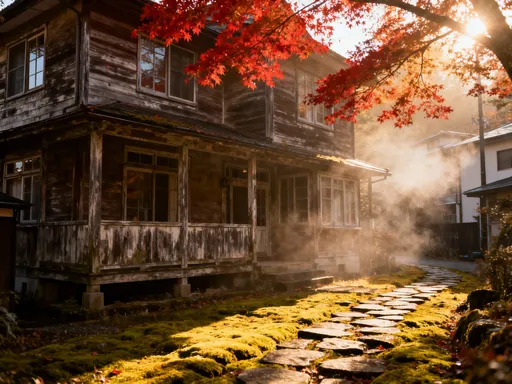
A short walk from the commercial energy of Karuizawa Ginza lies the Old District, a serene neighborhood where time seems to slow. This area was once home to summer villas built by Japan’s elite during the Meiji and Taisho eras, and many of these homes still stand, hidden behind moss-covered stone walls and iron gates. While most are privately owned and not open to the public, their exteriors are visible from public sidewalks, offering a glimpse into a refined architectural past.
The homes here reflect a fusion of Western and Japanese design. Steep gabled roofs, large wooden verandas, and leaded glass windows speak to European influences, while carefully curated gardens with stepping stones, stone lanterns, and clipped pines honor traditional Japanese aesthetics. The contrast between the two styles creates a unique visual language that is both elegant and inviting. Photographers will appreciate the way light interacts with these structures—morning sun catching the edge of a copper roof, or late afternoon shadows stretching across a gravel path.
Because this is a residential area, respectful photography is essential. Avoid using long lenses to peer into windows or gardens, and never step off the sidewalk onto private property. The goal is not to invade privacy but to capture the atmosphere of the neighborhood as a whole—the way a wisteria vine drapes over a gate, or how morning mist clings to the treetops above a quiet lane. These quiet details often tell a more compelling story than grand facades.
Nature in Frame: Hiking Trails with Picture-Perfect Views
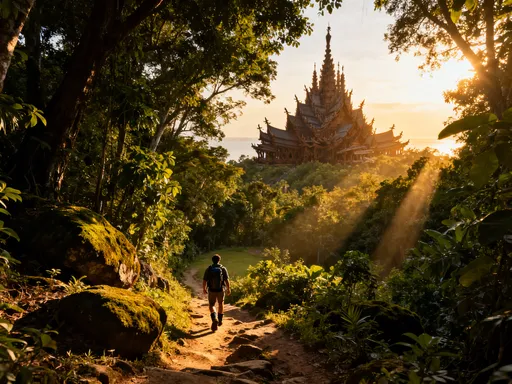
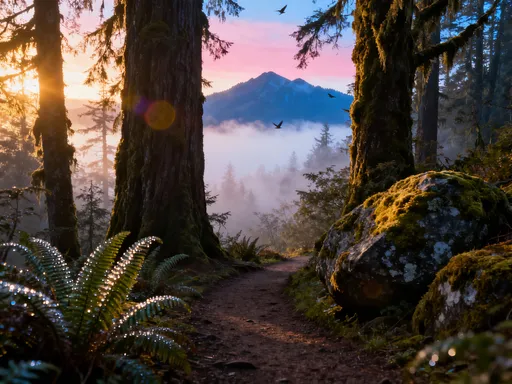
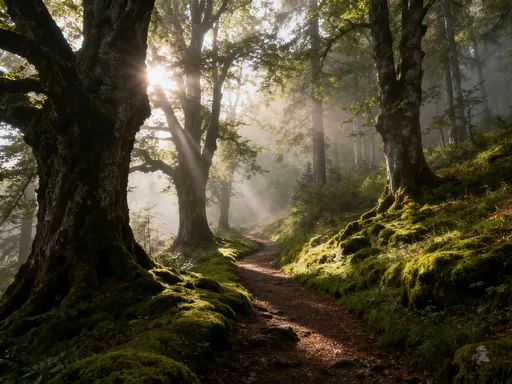
For photographers who love to move, Karuizawa’s network of hiking trails offers some of the most rewarding backdrops in Japan. These paths wind through ancient forests, cross wooden bridges over crystal-clear streams, and open into clearings with panoramic views. The Karuizawa Hoshino Hills trail, for example, loops through a managed woodland area where manicured paths meet wild nature. Along the way, photographers encounter natural frames at every turn—a canopy of leaves forming a tunnel, a moss-covered log arching over a fern-lined path, or sunlight piercing through a dense thicket.
Another must-visit is the route to Shiraito Falls, a graceful cascade that drops 30 meters down a basalt cliff, resembling a curtain of white thread—hence its name, which means “white thread.” The trail leading to the falls is well-maintained and relatively flat, making it accessible for all skill levels. The best time to photograph here is mid-morning, when the sun angles through the trees and illuminates the mist rising from the pool below. On sunny days, rainbows often form in the spray, adding a magical element to long-exposure shots.
For those seeking solitude, the Usui Pass Historic Trail offers a quieter experience. Once part of an ancient trade route, this path follows the remnants of a 19th-century railway and passes through tunnels and over stone bridges. The sense of history is palpable, and the surrounding forest remains largely undisturbed. A lightweight camera setup is recommended, as some trails involve moderate elevation changes. A polarizing filter can help reduce glare on wet surfaces and enhance the saturation of greens and browns in forest scenes.
Sacred Spaces: Temples and Gardens Built for Stillness and Shots
Karuizawa is home to several spiritual sites that, while modest in size, are rich in visual and emotional depth. Seisen Church, with its striking wooden architecture and glass walls, is one of the most photographed landmarks in the region. Designed to blend into the forest, the chapel appears almost as an extension of the trees, with light filtering through the canopy and casting dappled patterns on the interior floor. Even when not in use for services, the space invites quiet contemplation—and quiet photography.
Gyokuzō-in Temple, nestled in a wooded valley, offers a more traditional aesthetic. This small Buddhist temple features a red lacquered gate, a still reflection pond, and a main hall surrounded by maples. In autumn, the leaves turn fiery orange and red, their colors mirrored perfectly in the water. The temple’s simplicity encourages minimalism in photography—a single stone lantern, a pair of wooden sandals left at the door, or a wisp of incense smoke rising into the cool air. These details, when captured with care, convey a sense of peace that transcends the visual.
Other sacred spaces, like the Catholic Church of St. Paul or the tranquil Zen garden at Ryuzu-in, provide opportunities to explore symmetry, reflection, and negative space. Because these are places of worship, photographers should maintain a respectful demeanor. Avoid flash photography inside buildings, and never disrupt rituals or ceremonies. The most powerful images often come from waiting—for a bird to land on a stone lantern, for a cloud to pass, or for a visitor to bow quietly before an altar.
Seasonal Shifts: How Karuizawa Transforms Year-Round
One of Karuizawa’s greatest strengths as a photographic destination is its year-round appeal. Each season brings a distinct character, transforming familiar landscapes into something new. In spring, from late March to early April, cherry blossoms bloom along the Nakasendo Trail and in front of historic villas. The weeping cherry trees at Karuizawa Prince Hotel are particularly striking, their drooping branches forming pink canopies that glow in the morning light.
Summer, from June to August, turns the town into a lush green sanctuary. The high elevation keeps temperatures mild, and the forests become denser, their canopies filtering sunlight into soft mosaics on the forest floor. This is the best time for photographing dew-covered spiderwebs, wildflowers along trails, and the vibrant green of newly unfurled leaves. Early mornings are ideal, as fog often rolls through the valleys, creating ethereal, dreamlike scenes.
Autumn, peaking in mid-October to early November, is perhaps the most dramatic. Maples, ginkgos, and zelkovas ignite in shades of red, orange, and gold. The area around Tateshina Highlands and the road to Asama Volcano becomes a gallery of fall color. Photographers flock to the old district and temple gardens, where the contrast of colorful leaves against dark wood and stone creates powerful compositions.
Winter, from December to February, brings a different kind of beauty. Snowfall is frequent but rarely heavy, dusting rooftops, garden stones, and tree branches with a delicate layer of white. The silence of a snow-covered morning, with only the crunch of footsteps on a frozen path, offers a rare stillness that enhances the meditative quality of photography. Seasonal illuminations, such as the Hoshino Resorts Light Festival, add warmth to the cold nights, with thousands of LED lights arranged in artistic displays across gardens and forests.
Photography Tips and Etiquette in a Respectful Setting
While Karuizawa offers endless opportunities for stunning images, it is equally important to approach photography with mindfulness and respect. The town is not just a backdrop—it is a living community, home to residents, workers, and worshippers. Always prioritize courtesy over composition. Avoid blocking sidewalks, especially in narrow lanes, and never trespass on private property, even if a view seems irresistible.
When photographing people, especially locals, it is best to ask for permission first. In candid street photography, maintain a respectful distance and avoid zooming in on individuals without their knowledge. In sacred spaces, silence and discretion are expected. Turn off camera sounds, avoid using flash, and be aware of your presence in quiet zones.
From a technical standpoint, Karuizawa rewards natural light. Avoid relying on artificial lighting or heavy editing; instead, learn to work with the available light. Use reflectors or white surfaces to bounce light into shadowed areas, and experiment with different times of day. Early morning offers soft, diffused light and fewer people, while late afternoon brings golden tones and longer shadows that add depth to images.
Drone photography is permitted in some areas but requires prior authorization from local authorities. Many parks and protected zones prohibit drone use entirely to preserve peace and privacy. Always check regulations before flying, and never operate a drone near temples, private homes, or crowded areas. When in doubt, choose to shoot from the ground—some of the most powerful images come from a simple, grounded perspective.
Conclusion: Framing More Than Just Images
Photographing Karuizawa is not just about capturing beautiful scenes—it’s about engaging with a place that values harmony, seasonality, and quiet beauty. The best images are not those with perfect exposure or symmetry, but those that carry a sense of presence, of having been truly seen. Whether standing before a centuries-old temple, walking a mossy trail, or sipping tea on a sunlit bench, the act of photographing becomes a form of mindfulness.
Each district in Karuizawa tells a story—of history, of nature, of the delicate balance between human life and the environment. As you explore, let your camera guide your attention, but don’t let it replace your senses. Listen to the wind in the cedars, feel the cool mountain air, and notice the way light changes by the minute. These experiences, woven into your photographs, transform them from mere images into lasting memories.
For the women who travel here—often balancing family, work, and personal dreams—Karuizawa offers a rare gift: time to see, to create, and to reconnect. Whether you’re holding a professional DSLR or a smartphone, your perspective matters. So come with curiosity, move with care, and let Karuizawa reveal itself, one quiet, perfect frame at a time.