You Won’t Believe These Secret Viewpoints in Melbourne
Hidden high above the city’s bustling streets and leafy laneways, Melbourne reveals its most breathtaking moments from places few travelers ever discover. I’m talking about secret viewpoints—elevated, unexpected, and utterly unforgettable. These vantage points don’t appear on every tourist map, yet they offer the true soul of the city. From quiet rooftops to tucked-away parks, each one tells a different story of Melbourne’s beauty. They invite stillness, inspire reflection, and reward those who wander with curiosity. In a world where every sight seems photographed and pinned on a digital map, these hidden outlooks remain refreshingly undiscovered, offering not just views, but moments of genuine connection with a city that thrives on subtlety and surprise.
The Allure of Hidden Viewpoints
There is a quiet magic in seeing a city from a place few have stood. While iconic landmarks like Federation Square or the Eureka Skydeck draw crowds with their prominence, the true essence of Melbourne often lies beyond the postcard angles. Hidden viewpoints offer more than just scenery—they provide emotional depth. When you find a secluded perch where the hum of traffic fades and the skyline unfolds in silence, the city feels personal, intimate, almost like a secret shared between you and the horizon. This sense of discovery transforms a simple glance into a memory.
What makes these lesser-known vantage points so powerful is their ability to shift perspective—literally and emotionally. Standing at a quiet overlook, you’re not just observing Melbourne; you’re experiencing its rhythm. The flicker of office lights in the evening, the early morning mist curling around rooftops, the distant chime of tram bells weaving through the grid—these are the quiet details that shape the city’s character. Unlike the curated experience of tourist hotspots, these moments are unfiltered, spontaneous, and deeply human.
Moreover, solitude enhances perception. Without the press of crowds or the distraction of guided commentary, your senses sharpen. You notice how sunlight glances off the glass façade of a downtown tower, or how the Yarra River reflects the changing sky like a slow-moving mirror. These observations aren’t dramatic, but they are meaningful. They ground you in the present, allowing a deeper appreciation of place. And because these spots are often off the beaten path, they foster a sense of personal achievement—like uncovering a quiet truth about a city that’s always been there, waiting to be seen.
Melbourne’s Urban Canvas: A City Built for Looking
Melbourne is uniquely designed for skyline appreciation. Unlike cities dominated by towering skyscrapers, Melbourne maintains a balanced skyline with a mix of low-rise buildings, heritage structures, and modern glass towers that never overwhelm the horizon. This architectural harmony creates natural sightlines, allowing views to stretch across neighborhoods without being blocked by monolithic structures. The city’s relatively flat core, bordered by gentle hills to the north and east, further enhances visibility, making elevated vantage points all the more rewarding.
The Yarra River plays a crucial role in framing the city’s visual identity. As it winds through the heart of Melbourne, it creates natural breaks in the urban fabric, offering clear lines of sight from elevated banks and bridges. From spots like Alexandra Gardens or Birrarung Marr, the river acts as a reflective ribbon, amplifying the beauty of the skyline, especially at dusk when the city begins to glow. The contrast between the water’s calm surface and the dynamic cityscape creates a sense of balance—a hallmark of Melbourne’s aesthetic.
To the east, the Dandenong Ranges rise gently above the suburbs, providing a natural backdrop that can be glimpsed from higher points within the city. On clear days, these forested hills form a soft green horizon, reminding residents and visitors alike of Melbourne’s proximity to nature. This blend of urban and natural elements—rivers, parks, distant mountains—makes the city a layered canvas, one that rewards those who take the time to look beyond the street level. Whether from a hillside park or a rooftop terrace, Melbourne’s geography invites the eye to wander and the mind to follow.
Rooftop Secrets in the Central Business District
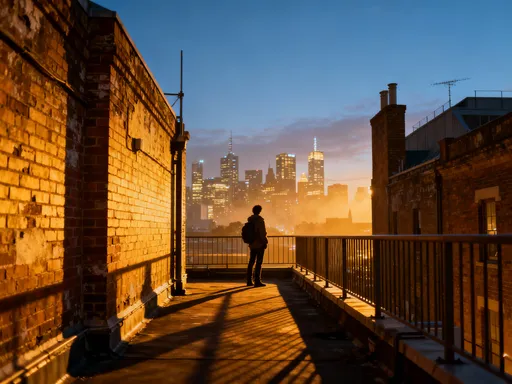
While the Eureka Skydeck offers a panoramic view from 285 meters, some of the most memorable rooftop experiences in Melbourne’s CBD are far more understated—and free of charge. Certain public buildings and low-key establishments provide legal, accessible access to upper-level terraces that are rarely crowded. One such example is the rooftop garden at RMIT University’s Building 80, located on Bowen Street. Open during daylight hours, this green space offers a serene view of the city’s northern edge, with trams moving like tiny toys below and the sun casting long shadows across brick facades.
Another hidden gem is the upper-level terrace of the Nicholas Building, a heritage-listed structure on Swanston Street. While primarily housing small creative studios, the building occasionally hosts open days during arts festivals, allowing public access to its ornate stairwells and rooftop views. Even outside these events, the upper floors offer glimpses of the skyline through decorative ironwork and arched windows, creating a sense of stepping into a bygone era while still overlooking the modern city.
Cafes with elevated seating also provide quiet moments of perspective. The top floor of Degraves Underground, though subterranean in name, leads to a small courtyard and upper walkway that overlooks the bustling Degraves Street laneway. Similarly, the mezzanine level of Patricia Coffee Brewers offers a bird’s-eye view of the surrounding laneways, where you can sip a flat white while watching the city wake up. These spots aren’t advertised as viewpoints, but their positioning makes them ideal for quiet observation—especially in the early morning, when the city is still soft with light and the air carries the scent of fresh coffee and damp pavement.
Abbotsford Convent: Where Art Meets Horizon
Nestled along the banks of the Yarra River, the Abbotsford Convent is more than a cultural precinct—it’s a sanctuary with one of the most peaceful elevated views in Melbourne. Perched on a gentle rise, the convent’s grounds offer a sweeping panorama of the city’s northern skyline, framed by river gums and heritage rooftops. As the sun begins to set, the city lights flicker to life in the distance, painting the sky in hues of amber and rose. The atmosphere is serene, almost meditative, with the occasional chime of a wind bell or the distant call of a magpie breaking the silence.
The convent’s transformation from a former religious institution to a thriving arts hub has preserved its soul while inviting new life. Artists’ studios, small galleries, and organic cafes dot the grounds, creating a vibrant yet unhurried energy. Visitors can wander through herb gardens, sit beneath century-old trees, or find a quiet bench overlooking the river. The best views are from the eastern edge of the property, near the old chapel, where the land slopes slightly upward, offering an unobstructed line of sight toward the CBD.
For the ideal experience, plan your visit for late afternoon. The convent is open daily until 5:00 PM, with extended hours on weekends during exhibitions and markets. Arriving around 4:30 PM allows time to explore the grounds before settling in for sunset. Bring a light jacket—the river breeze can be cool—and consider pairing your visit with a coffee from the on-site convent café or a homemade pie from the weekend market. This is not a place to rush; it’s a place to pause, breathe, and let the view settle into your memory.
The Secret Staircases of Carlton and Fitzroy
Melbourne’s inner suburbs are laced with a network of pedestrian staircases that few tourists ever notice. Tucked behind rows of Victorian terraces, these stairways climb gentle slopes, leading to small parks, backstreet lookouts, and unexpected views of the city skyline. In Carlton and Fitzroy, these staircases are more than just shortcuts—they are pathways to quiet contemplation, offering a slower, more intimate way to experience the city.
One of the most enchanting routes begins behind Princes Hill Secondary College, where a set of weathered stone steps winds up through native ferns and climbing ivy. At the top, a small clearing opens into Princes Hill Park, where a lone bench faces westward, perfectly aligned with the setting sun. On clear evenings, the sky blazes behind the distant towers of the CBD, while the rooftops of Fitzroy glow in the warm light. Trams move silently below, their paths illuminated by streetlamps just beginning to flicker on.
Another hidden ascent is near Lincoln Square in Fitzroy, where a narrow staircase tucked between two houses leads up to a quiet residential street with an unobstructed view of the city. This spot is especially magical in the early morning, when fog lingers in the valleys and the first rays of sunlight pierce through the haze. The sound of a distant espresso machine or a barking dog adds to the sense of being in a world apart—close enough to hear the city, but far enough to feel its pulse without its pressure.
These staircases are best explored on foot, with comfortable shoes and a willingness to wander without a fixed destination. They are not marked on most tourist maps, but their presence is known to locals who value quiet moments above convenience. Walking these paths feels like stepping into a different rhythm—one where time slows, and the city reveals itself in fragments, like pieces of a puzzle slowly coming together.
Beyond the City: Grampians and You Yangs Day Trips
For those willing to venture beyond the urban fringe, Victoria’s natural landscapes offer some of the most awe-inspiring viewpoints within a two-hour drive of Melbourne. The Grampians National Park and the You Yangs Regional Park are two accessible destinations that provide panoramic vistas far removed from the city’s noise and congestion. These spots are ideal for a day trip, offering not just views, but a full sensory experience of wind, earth, and sky.
In the Grampians, Mount William stands as one of the highest accessible lookouts, offering a 360-degree view of sandstone ridges, eucalyptus forests, and distant valleys. The hike to the summit is moderate, taking about 1.5 hours round trip, and is well-marked with clear signage. On a clear day, you can see all the way to the Southern Ocean. The air is crisp, often scented with the faint aroma of gum leaves, and the silence is profound—broken only by the call of a wedge-tailed eagle soaring above. This is a place where the scale of nature puts urban life into perspective, reminding visitors of the quiet grandeur that lies just beyond the city limits.
Further south, the You Yangs Regional Park rises abruptly from the flat plains near Geelong, making it a striking landmark visible from miles away. Flinders Peak, the highest point in the range, can be reached via a well-maintained trail that takes about 45 minutes to climb. The reward is a sweeping view of Melbourne’s western suburbs, Port Phillip Bay, and on exceptionally clear days, even the distant outline of the Otway Ranges. Unlike crowded city observation decks, these natural lookouts are rarely packed, allowing for solitude and reflection. Bring water, wear sturdy shoes, and pack a picnic—many visitors choose to stay for sunset, when the sky turns golden and the city lights begin to shimmer like scattered stars.
Both locations are family-friendly and accessible by car, with ample parking and basic facilities. They offer a refreshing contrast to urban viewpoints, where the horizon is defined not by glass and steel, but by rock, tree, and sky. For those seeking a deeper connection with the landscape, these day trips provide not just a change of scenery, but a change of mindset.
Chasing Light: When to Visit for the Best Views
The quality of a viewpoint depends not just on location, but on timing. In Melbourne, the interplay of light, weather, and season can transform the same outlook into something entirely different from one day to the next. To experience the city at its most beautiful, it’s essential to understand the rhythms of light and atmosphere.
Golden hour—the period shortly after sunrise and before sunset—is widely regarded as the best time for city views. During these times, the sun sits low on the horizon, casting a warm, soft glow that enhances textures and colors. In Melbourne, sunrise golden hour occurs between 6:00 and 7:00 AM in summer and 7:30 to 8:30 AM in winter. Sunset golden hour follows a similar pattern, with the most dramatic lighting occurring about 30 minutes before the sun dips below the skyline. This is the ideal time to visit elevated parks, riverbanks, or rooftop terraces, when the city appears bathed in amber light.
Blue hour, the period just after sunset or before sunrise, offers a different kind of beauty. As the sky transitions from orange to deep indigo, the city’s artificial lights begin to dominate, creating a cool, tranquil ambiance. This is when Melbourne’s skyline becomes a constellation of glowing windows and illuminated landmarks. Bridges, in particular, take on a dreamlike quality, their outlines traced in white and gold. Blue hour is best experienced from vantage points with a clear western or eastern exposure, depending on whether you’re capturing sunset or sunrise.
Winter months, particularly June to August, often provide the clearest air and best visibility due to lower humidity and reduced pollution. Cold, crisp mornings after a rain shower are especially ideal, as the atmosphere is washed clean and the light is sharp. Conversely, summer can bring haze and higher humidity, which may blur distant views. Checking local weather forecasts, air quality indexes, and cloud cover predictions before heading out can greatly improve your chances of capturing a perfect moment. Websites like the Bureau of Meteorology and apps such as Windy or Clear Outside offer reliable data to help plan your visit.
Conclusion: Seeing Melbourne Anew
Melbourne is a city that rewards the patient observer. Its beauty is not always loud or obvious; it reveals itself in quiet moments, from unexpected angles, to those who take the time to look. The secret viewpoints scattered across its streets, hills, and outskirts are more than just places to take photographs—they are invitations to slow down, to breathe, and to reconnect with the simple joy of seeing.
By stepping away from the well-trodden paths and seeking out these hidden outlooks, you don’t just see the city differently—you experience it more deeply. You notice the way light dances on a tram’s windshield, how the river mirrors the sky, or how a single tree stands silhouetted against the evening glow. These are the moments that linger, long after the trip has ended.
So the next time you walk through Melbourne, look up. Climb a quiet staircase. Follow a path that leads uphill. Let curiosity be your guide. The city’s most breathtaking views are not always marked with signs or ticket booths—they are waiting in the stillness, just beyond the noise, ready to be discovered by those who are willing to see anew.