Taste of Nantes: A Food Lover’s Journey Through France’s Underrated Gem
Walking through Nantes feels like flipping through the pages of a well-loved cookbook—every corner offers a new flavor, a fresh story. I didn’t expect much beyond castles and canals, but the city’s dining scene blew me away. From bustling markets to cozy wine bars, Nantes blends tradition and innovation on every plate. This is more than a food guide—it’s an invitation to savor a side of France often overlooked. Here, meals unfold slowly, thoughtfully, rooted in the rhythms of the land and sea. For travelers seeking authenticity, connection, and quiet delight, Nantes offers a table set with warmth, history, and unforgettable taste.
Discovering Nantes: More Than Just a River City
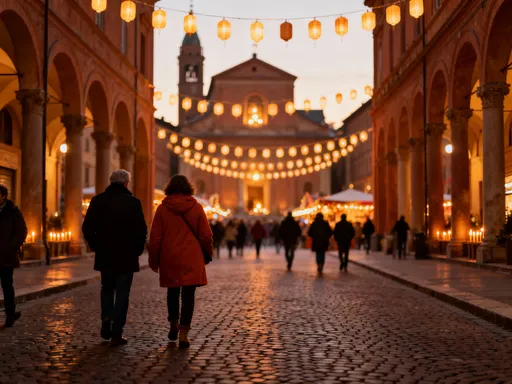
Nantes, nestled along the winding Loire River in western France, is a city that quietly pulses with creative energy and deep-rooted tradition. Once the historic capital of Brittany, it now stands as a bridge between regions—culturally rich, geographically strategic, and gastronomically vibrant. While many tourists flock to Paris, Lyon, or Bordeaux for their culinary reputations, Nantes remains an underrated gem, offering a more intimate, grounded experience of French food culture. It’s a place where medieval streets give way to contemporary art installations, and where centuries-old recipes are honored alongside bold new interpretations.
What sets Nantes apart in the French culinary landscape is its unique combination of maritime heritage, agricultural abundance, and a spirit of reinvention. Located just a short distance from the Atlantic coast, the city has long relied on fresh seafood, while its surrounding countryside—Loire-Atlantique—boasts fertile soil ideal for growing vegetables, fruits, and grains. This dual access to land and sea shapes a cuisine that is both varied and deeply seasonal. Moreover, Nantes has embraced a modern identity that values sustainability, local sourcing, and community-centered dining, making it a natural haven for food lovers who appreciate authenticity over spectacle.
The city’s cultural revival in recent decades has further elevated its food scene. Once an industrial port, Nantes has transformed into a hub of innovation, where artists, chefs, and farmers collaborate to celebrate regional identity. This synergy is evident in the way restaurants highlight local producers, how markets prioritize seasonal availability, and how even casual cafés serve dishes with intention. For the discerning traveler, especially one who values thoughtful meals and meaningful experiences, Nantes offers a refreshing alternative to the more crowded culinary capitals of France.
The Heartbeat of Local Flavor: Markets and Producers
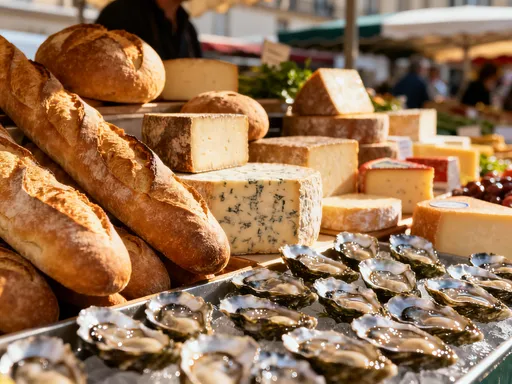
If there’s one place where the soul of Nantes’ food culture comes alive, it’s in its markets. The Marché de Talensac, a covered market in the heart of the city, is a daily celebration of regional abundance. Open every morning except Monday, it draws locals with its rainbow of seasonal produce, fragrant herbs, and artisanal specialties. Stalls overflow with crisp green beans, golden mirabelles, and deep purple figs in summer, while autumn brings pumpkins, chestnuts, and wild mushrooms. The air hums with the scent of just-baked sourdough, sharp goat cheese, and briny oysters freshly shucked by fishmongers in aprons.
What makes Talensac more than just a shopping destination is its role as a social and cultural anchor. Here, grandmothers haggle gently with vegetable vendors, young couples sample goat cheese with honey, and chefs from nearby bistros fill their baskets with the day’s best ingredients. The market is not a tourist performance—it’s a living, breathing part of daily life, where food is treated with reverence and connection. Each stall often bears a name, a story, a family history. A woman selling organic tomatoes might explain how her farm rotates crops to preserve soil health. A beekeeper might describe the wildflowers that give his honey its delicate floral notes.
These markets reflect Nantes’ deep ties to the surrounding regions of Brittany and the Loire Valley. Apples from Anjou, salt from Guérande, and butter from Charentes-Poitou all find their way into the city’s kitchens, either sold directly or used in prepared foods. The emphasis is on quality, traceability, and seasonality—values that resonate strongly with today’s conscious eaters. For visitors, spending a morning at Talensac is not just about buying food; it’s about understanding the rhythms of local life, the pride in craftsmanship, and the joy of eating what grows nearby. It’s here that the foundation of Nantes’ cuisine is laid—not in fancy restaurants, but in the hands of those who grow, raise, and sell with care.
Crêpes, Galettes, and Cider: A Brittany-Inspired Tradition
No exploration of Nantes’ food culture would be complete without a deep dive into its Breton roots, most deliciously expressed in the city’s love for crêpes and galettes. Though no longer part of Brittany administratively, Nantes retains a strong cultural and culinary connection to the region, and nowhere is this more evident than in its many crêperies. These cozy, often family-run eateries line quiet streets and bustling squares, their windows fogged with warmth, the smell of buckwheat wafting into the evening air.
The distinction between crêpes and galettes is essential. Galettes, made from nutrient-rich buckwheat flour, are savory and hearty, often served as a full meal. The most iconic version, the galette complète, features a golden-brown pancake filled with melted cheese, a perfectly runny egg, and thinly sliced ham—simple, satisfying, and deeply comforting. Other variations might include mushrooms, spinach, or caramelized onions, always cooked to order and served piping hot on a wooden board. Soft wheat crêpes, on the other hand, are sweet—folded around lemon and sugar, Nutella and banana, or fresh berries with whipped cream.
What elevates this tradition is not just the food, but the ritual. Meals in a crêperie are meant to be slow, shared, and accompanied by a pitcher of locally produced cider. This slightly fizzy, dry apple cider, often poured from a glass carafe, has a crisp acidity that cuts through the richness of the cheese and ham, cleansing the palate with each sip. In Nantes, cider is not an afterthought—it’s an essential partner to the meal, just as it is in Brittany. Many crêperies source their cider from small orchards in the region, reinforcing the connection between land, tradition, and table.
For visitors, dining at a crêperie offers more than just a delicious meal; it’s a window into a culture that values simplicity, quality, and togetherness. The casual atmosphere, the warmth of the staff, the shared tables—it all contributes to an experience that feels both authentic and welcoming. Whether enjoyed on a rainy afternoon or a summer evening, a galette and a glass of cider embody the heart of Nantes’ culinary identity.
Seafood with a Side of Atlantic Breeze
Nantes’ proximity to the Atlantic Ocean is a defining feature of its cuisine. Though not a coastal city itself, it lies just a short distance from some of France’s most prized seafood regions, including the salt marshes of Guérande and the rocky inlets of the Loire estuary. This access ensures that fish and shellfish in Nantes are not just fresh—they are often still alive when they reach the market. Oysters, in particular, are a point of pride. Grown in the clean, mineral-rich waters near Bouin and La Turballe, these oysters are known for their delicate salinity and creamy finish, best enjoyed raw with a squeeze of lemon and a glass of chilled Muscadet.
Seafood in Nantes is treated with respect—simple preparations allow the natural flavors to shine. A classic seafood platter, or plateau de fruits de mer, is a common sight in bistros and fishmonger-run restaurants. Towering with ice, it might include oysters, shrimp, crab claws, periwinkles, and smoked eel, served with rye bread and a shallot vinaigrette. There’s no need for heavy sauces or elaborate garnishes; the quality of the ingredients speaks for itself. Fish dishes, too, are often modest in presentation but rich in flavor—think line-caught sole pan-fried in butter, or monkfish stewed in a light white wine broth with leeks and potatoes.
One of the best ways to experience Nantes’ seafood culture is to dine at a restaurant run by a fishmonger or a family with generations of maritime tradition. These establishments, often tucked away in residential neighborhoods, don’t rely on flashy decor or celebrity chefs. Instead, they offer daily changing menus based on what was caught that morning. The staff might explain the origin of the scallops or recommend the best way to eat the mussels. This personal touch transforms a meal into a conversation, a connection between diner and provider.
For those willing to venture slightly outside the city, a day trip to the coast can deepen the appreciation. Visiting an oyster farm, for example, allows travelers to see how oysters are cultivated, taste them straight from the water, and understand the labor behind each shell. Back in Nantes, that experience makes every bite more meaningful. Seafood here is not just food—it’s a story of tides, tradition, and the enduring relationship between people and the sea.
From Vineyards to Wine Bars: Tasting the Local Terroir
Just as the ocean shapes Nantes’ cuisine, so too does the land—particularly the vineyards of the Pays Nantais, which produce the crisp, mineral-driven white wine known as Muscadet. Often overlooked in favor of more famous French appellations, Muscadet is a hidden treasure, especially when enjoyed in its place of origin. Made primarily from the Melon de Bourgogne grape, it offers bright acidity, notes of green apple and citrus, and a distinctive saline finish that echoes the nearby sea. It’s the perfect companion to seafood, cutting through richness while enhancing delicate flavors.
In Nantes, Muscadet is not reserved for special occasions—it’s part of everyday life. The city’s wine bars, or caves à manger, are intimate spaces where locals gather to share small plates and bottles from regional producers. These establishments blend the casualness of a café with the expertise of a wine shop, often run by passionate sommeliers or winemakers themselves. Menus are short but thoughtful, featuring charcuterie, local cheeses, marinated vegetables, and seasonal tarts. The focus is on harmony—between wine and food, between people, between moment and place.
Many of these wine bars also serve as platforms for natural and organic winemakers, reflecting a broader trend toward sustainable viticulture in the region. Labels might include terms like “vin naturel” or “sans soufre,” indicating minimal intervention in the winemaking process. While these wines can be more unpredictable in flavor, they often offer a purer expression of the terroir—the soil, climate, and human touch that shape each vintage.
For visitors, a visit to a cave à manger is an invitation to slow down, to savor, to listen. It’s a chance to learn about wines that don’t make it onto international lists, to taste a cuvée aged on its lees for extra texture, or to discover a small producer whose entire output is sold locally. The atmosphere is never pretentious; questions are welcomed, and recommendations are given with genuine warmth. In these spaces, wine becomes more than a drink—it becomes a bridge to place, to people, to the quiet pleasures of French daily life.
Modern Twists: Nantes’ Rise in Contemporary Dining
While tradition runs deep in Nantes, the city is also home to a new generation of chefs who are reimagining French cuisine with creativity and conscience. These culinary innovators honor the region’s ingredients and techniques while introducing global influences, seasonal menus, and plant-forward philosophies. The result is a dining scene that feels both rooted and forward-looking—a balance that appeals to locals and travelers alike.
In recent years, a number of restaurants have emerged that prioritize sustainability, transparency, and flavor. Menus change frequently, sometimes daily, based on what is available from local farms, fisheries, and foragers. Dishes might feature roasted celeriac with hazelnut vinaigrette, grilled sardines with fennel confit, or duck breast with cherry reduction and buckwheat groats. The presentation is often understated but precise, allowing the ingredients to take center stage.
One notable trend is the rise of the farm-to-table movement, with chefs building direct relationships with producers. Some restaurants even list the names and locations of their suppliers on the menu, turning dining into an act of recognition and gratitude. Others have embraced vegetarian and vegan options not as an afterthought, but as a central part of their philosophy. A starter might be a tartare of beets and smoked tofu, while a main could be a layered gratin of heirloom tomatoes and goat cheese with thyme crust.
This modern approach does not reject tradition—it converses with it. A chef might serve a deconstructed galette, using buckwheat soil and smoked ham foam, or offer a dessert inspired by the crêpe, layered with salted caramel and apple compote. These dishes are not gimmicks; they are thoughtful reinterpretations that respect the past while exploring new possibilities. For food-loving travelers, especially those who appreciate innovation grounded in authenticity, Nantes offers a compelling alternative to more predictable dining destinations.
How to Eat Like a Local: Practical Tips for Food-Focused Travelers
To truly experience the culinary soul of Nantes, it helps to follow a few simple guidelines. First, plan your visit around the rhythm of the city. Markets like Marché de Talensac are best explored in the morning, when produce is at its freshest and the atmosphere is most lively. Arrive early, bring a reusable bag, and don’t hesitate to ask vendors for recommendations—they’re often happy to share how they prepare their products at home.
When dining out, embrace the pace of French meals. Lunch in Nantes is often the main event, with many restaurants offering multi-course menus that encourage lingering. Dinner tends to be lighter and later, usually starting after 7:30 p.m. Don’t rush; savor each course, enjoy a glass of wine, and let the conversation flow. If you’re unsure about a menu, don’t be afraid to ask for clarification. Most staff appreciate the effort to understand and will happily explain regional specialties.
At a crêperie, start with a galette complète to experience the classic combination, then try a sweet crêpe for dessert. Pair both with local cider, poured in small glasses to preserve the bubbles. In wine bars, consider ordering a half-bottle or a carafe to sample different Muscadet cuvées. And don’t skip the cheese course—France’s dairy traditions are alive and well, with regional varieties like Sainte-Maure de Touraine or Cœur de Lion often featured on cheese boards.
To balance your culinary adventures, take leisurely walks along the Erdre River, known as “the most beautiful river in France,” or explore the Île de Nantes, where industrial sites have been transformed into art spaces and gardens. These quiet moments of reflection enhance the richness of the food experience, grounding it in place and memory. Above all, come with curiosity and an open heart. The true taste of Nantes is found not just on the plate, but in the warmth of its people and the joy of sharing a meal.
Why Nantes Deserves a Seat at France’s Culinary Table
Nantes may not have the global fame of Paris or Lyon, but it holds a quiet brilliance that resonates deeply with those who take the time to explore. Its cuisine is not about spectacle or status—it’s about connection, seasonality, and the daily practice of eating well. Here, food tells a story of place: the salt-kissed air of the Atlantic, the fertile fields of the Loire, the centuries-old traditions of Brittany, and the creative spirit of a city reinventing itself.
What makes Nantes special is not just what’s on the menu, but how it’s shared. Meals unfold slowly, often in the company of others, accompanied by laughter, wine, and the clink of glasses. It’s a culture that values presence over productivity, quality over quantity, and community over convenience. For 30- to 55-year-old women—many of whom juggle family, work, and personal well-being—Nantes offers a reminder of the simple joy of gathering around a table, of nourishing both body and soul.
This is a destination that invites you to slow down, to listen, to taste with intention. It doesn’t demand attention; it earns affection. And in a world that often feels rushed and disconnected, that is a rare and precious gift. So when planning your next trip to France, look beyond the obvious. Let Nantes surprise you. Let its markets, its crêperies, its wine bars, and its quiet riverbanks welcome you. Because the true taste of this city isn’t just in the dishes—it’s in the warmth of its tables and the joy of shared meals.