You Won’t Believe These Hidden Art Gems in San Francisco
San Francisco isn’t just about the Golden Gate or Alcatraz—its soul lives in the quiet corners where art and culture breathe freely. I stumbled upon murals that tell decades-old stories, tucked-away galleries pulsing with creativity, and neighborhood spots most tourists walk right past. This city’s underground art scene is raw, real, and wildly inspiring. If you're craving authentic cultural moments beyond the postcard views, stick around. You’re about to discover a side of San Francisco that maps don’t show—but your heart will remember.
Beyond the Postcard: The City’s Secret Cultural Pulse
San Francisco is globally celebrated for its iconic skyline, fog-draped bridges, and historic neighborhoods. Yet behind these well-known postcard images lies a deeper, more intimate rhythm—one that beats in alleyways, converted warehouses, and community centers where local artists shape the city’s identity. While millions cross the Golden Gate Bridge each year, far fewer venture into the neighborhoods where art isn’t just displayed but lived. These hidden spaces offer a richer understanding of the city’s soul, revealing stories of resilience, diversity, and creative expression that aren’t found in guidebooks.
What makes these underground art scenes so powerful is their authenticity. Unlike curated museum exhibitions designed for mass appeal, these works emerge from personal and collective experiences—immigrant journeys, social movements, neighborhood pride. They are not created for commercial success but for communication, remembrance, and transformation. To engage with them is to step into a conversation that has been unfolding for decades, one painted on brick walls, whispered in poetry slams, and shaped in clay at local workshops.
For the thoughtful traveler—particularly those who value depth over spectacle—these artistic pockets offer a meaningful way to connect with a city beyond its tourist façade. They invite slower travel, deeper listening, and genuine curiosity. More than just visual experiences, they become emotional waypoints, moments of recognition and reflection. In a world where travel often feels rushed and repetitive, San Francisco’s hidden art gems remind us that the most lasting memories are not the ones we photograph, but the ones that quietly change how we see.
The Mission District: Where Murals Tell Living Stories
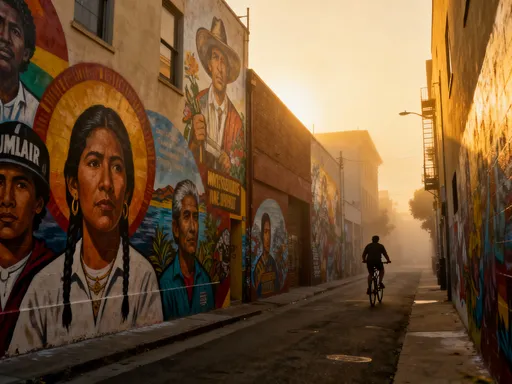
No place in San Francisco embodies the power of community art more vividly than the Mission District. Long a cultural heartland for Latino families and immigrants, this neighborhood has transformed its walls into open-air canvases that speak of history, struggle, and hope. Two alleys in particular—Balmy Alley and Clarion Alley—have become legendary for their concentration of murals, each one a chapter in an ongoing narrative painted by local hands. These are not random graffiti tags or fleeting street art; they are carefully composed works that demand attention and reward contemplation.
Balmy Alley, a narrow passage lined with garages and backyards, emerged as a mural hub in the 1970s, when residents used paint to resist displacement and celebrate their heritage. Many early murals depicted scenes from Central American revolutions, honoring those who fought for justice while drawing parallels to local struggles. Over time, the themes evolved to include environmental awareness, LGBTQ+ rights, and Indigenous identity. What remains constant is the commitment to art as a form of activism—a way to claim space, voice pain, and imagine a better future.
Walking through Balmy Alley today is like turning the pages of a living history book. One mural might show a mother holding a child beneath a tree of ancestral faces, roots stretching deep into the earth. Another could depict a phoenix rising from flames, symbolizing community rebirth after gentrification pressures. The colors are bold—deep reds, radiant yellows, electric blues—but it’s the emotional weight behind the images that lingers. These are not decorations; they are declarations.
Just blocks away, Clarion Alley offers a grittier, more experimental energy. Managed by the Clarion Alley Mural Project, this space supports emerging artists and socially engaged work. The murals here often address contemporary issues—housing insecurity, police accountability, cultural erasure—with unflinching honesty. Some pieces incorporate recycled materials or interactive elements, inviting viewers to reflect on consumption and waste. Because the walls are repainted regularly, no two visits are the same. This impermanence is part of the message: art, like community, is always evolving.
For visitors, the key to appreciating these spaces is presence. Move slowly. Read the plaques when available. Notice how residents nod at familiar images or point them out to children. These murals are not just for outsiders to admire—they are part of daily life. Taking time to understand their context transforms a casual stroll into a meaningful encounter. And while photography is common, the real souvenir is awareness: a deeper sense of who lives here, what they value, and what they fight to protect.
Hidden Galleries & Artist Studios in Dogpatch and Potrero Hill
As the city’s creative energy expands beyond traditional arts districts, neighborhoods like Dogpatch and Potrero Hill have quietly become sanctuaries for working artists. Once dominated by warehouses and industrial activity, these areas now host converted lofts, shared studios, and intimate galleries where innovation thrives. Unlike the polished galleries of downtown, these spaces embrace rawness—the creak of wooden floors, the scent of oil paint, the hum of conversation between creators and curious visitors. This is art in progress, not perfection, and it offers a refreshing contrast to the commercialized art world.
One of the best ways to experience this scene is during First Thursday, a monthly tradition where galleries open their doors to the public. What began as a small gathering of local artists has grown into a beloved community event, drawing residents and visitors alike. On these evenings, the streets come alive with soft lighting, live acoustic music, and the warm buzz of connection. There are no velvet ropes or silent attendants—just open doors, wine in paper cups, and artists eager to discuss their work. The atmosphere is inclusive, unpretentious, and deeply human.
Many of the galleries in Dogpatch focus on contemporary craft, textile art, and mixed media—forms that often get overlooked in mainstream institutions. You might find handwoven tapestries inspired by California landscapes, sculptures made from reclaimed metal, or ceramic installations that explore themes of home and displacement. These works reflect a hands-on relationship with materials, a tactile connection to making that feels grounding in a digital age. For women, particularly those who value creativity as both expression and healing, these spaces resonate on a personal level.
Potrero Hill, meanwhile, offers a mix of established studios and pop-up exhibitions in repurposed factories. Some artists work in collaborative spaces, sharing tools and ideas, while others maintain private studios that open only by appointment or during special events. Visiting during First Thursday allows access to these normally private realms, offering rare glimpses into the creative process. You might see paint-splattered aprons, half-finished canvases, or sketches pinned to corkboards—reminders that art begins in uncertainty and grows through persistence.
For travelers planning a visit, timing is everything. Aligning a trip with First Thursday—held on the first Thursday of each month—ensures the fullest experience. But even on quiet days, a walk through these neighborhoods reveals artistic life in subtle ways: a sculpture in a front yard, a mural on a garage door, a sign advertising an open studio. The message is clear: creativity here is not confined to galleries. It spills into the streets, becomes part of the neighborhood’s identity, and invites everyone to look closer.
The Forgotten Beauty of the Sunset’s Cultural Pockets
While much of San Francisco’s art scene clusters in the east and south, the western edge—known as the Sunset District—holds its own quiet treasures. Often overlooked for its foggy weather and residential character, this neighborhood nurtures a resilient creative spirit. Far from the tourist bustle, community art centers, small theaters, and neighborhood libraries serve as gathering places where local voices are amplified. These spaces may not make headlines, but they are vital to the cultural fabric of a city that thrives on diversity.
One of the most active hubs is the SF Arts Commission Gallery at the SF Main Library’s Sunset Branch. Though modest in size, it features rotating exhibitions by local artists, many of whom live in the neighborhood. Themes often reflect daily life—the beauty of fog-laced mornings, the rhythm of family meals, the changing faces of a slowly diversifying community. These works may not be dramatic, but they are honest, offering a portrait of ordinary life rendered with care and dignity.
Another cornerstone is the New Sunset Cultural Center, which hosts everything from dance performances to craft fairs to poetry readings. On weekend evenings, you might find elders sharing stories in Cantonese, teens performing spoken word, or families learning traditional crafts together. These events are not staged for outsiders; they are organic expressions of community life. Yet visitors are welcomed with quiet generosity, often invited to stay for tea or join a workshop.
What makes these cultural pockets special is their role in fostering belonging. The Sunset has long been home to working-class families, many of Asian and Pacific Islander descent, who have built lives here across generations. In a city where rising costs threaten displacement, these art spaces become acts of resistance—ways to preserve identity, pass on traditions, and strengthen bonds. They remind us that culture is not just something to consume, but something to live.
For travelers, a visit to the Sunset offers a different kind of discovery—one rooted in stillness and observation. There are no grand landmarks, no crowds, no must-see checklists. Instead, there is the chance to witness art as a quiet force, one that sustains communities through change. Sitting in a small theater, listening to a local poet describe the smell of salt air and steamed buns, you begin to understand that beauty isn’t always loud. Sometimes, it’s in the hush between lines, in the way a room falls silent when truth is spoken.
Offbeat Institutions: From Obscure Museums to Pop-Up Exhibits
San Francisco’s artistic spirit isn’t confined to streets and studios—it also thrives in unconventional institutions that challenge what a museum can be. Places like the Museum of Craft and Design in the Dogpatch neighborhood celebrate art forms often dismissed as “domestic” or “decorative”—textiles, ceramics, fiber arts. Yet within these works lies deep technical skill and emotional resonance. A hand-thrown bowl, glazed in oceanic blues, speaks of patience and presence. A quilt stitched with family names becomes a living archive. These objects, often made by women, reclaim space in a world that has long undervalued craft.
The museum’s rotating exhibitions are thoughtfully curated, blending historical pieces with contemporary interpretations. One show might trace the evolution of Mexican embroidery in California, while another explores sustainable fashion through upcycled materials. What sets these exhibits apart is their accessibility—they don’t require an art degree to appreciate. Instead, they invite touch (in spirit, if not always in practice), memory, and personal connection. For mothers, grandmothers, and creative women, these displays often spark recognition: “My aunt used to make something like this,” or “I learned to sew from my mother.”
Beyond formal institutions, San Francisco embraces temporary and mobile art. Public art programs regularly install works in BART stations, parklets, and vacant storefronts—places where people live their daily lives. A recent exhibit featured mirrored sculptures in a transit plaza, reflecting the faces of passersby and inviting self-reflection. Another transformed an empty garage into a light-filled gallery for a weekend, showcasing works by formerly unhoused artists. These pop-up spaces democratize art, removing barriers of cost, location, and prestige.
Even the city’s libraries have become unexpected art venues. The Richmond Branch, for instance, hosts a monthly “Art in the Stacks” series, where local painters display work among bookshelves. The juxtaposition is striking—poetry and paint, knowledge and imagination, side by side. These moments remind us that art doesn’t need a grand stage. It can flourish in the in-between spaces, the overlooked corners, the places we pass every day without noticing.
For travelers, seeking out these offbeat institutions adds depth to a visit. They offer a counterbalance to the city’s more famous attractions, grounding the experience in local reality. And because many are free or donation-based, they reflect San Francisco’s enduring commitment to making art accessible to all. In a city often associated with wealth and tech, these spaces preserve a different legacy—one of inclusivity, experimentation, and heart.
How to Experience It Right: A Local’s Approach
To truly connect with San Francisco’s hidden art scene, a shift in mindset is required. This is not a checklist to be completed, nor a series of backdrops for social media. It is an invitation to slow down, to listen, and to engage with intention. The most meaningful experiences happen not when you’re rushing from one mural to the next, but when you pause—when you let a painting pull you in, when you ask an artist about their process, when you sit on a bench and simply absorb the atmosphere.
Walking or biking is the best way to explore. These neighborhoods were made for foot traffic, with narrow alleys, hidden courtyards, and sidewalk galleries that reveal themselves only at close range. Wear comfortable shoes, carry a light jacket (the fog waits for no one), and allow time for detours. Some of the best discoveries happen by accident—a door left ajar, a sign for an open studio, a mural visible only from a certain angle.
When visiting galleries or community events, don’t hesitate to speak with artists. Most welcome conversation and appreciate genuine interest. A simple “What inspired this piece?” can open a rich dialogue. Avoid treating these spaces as performance—they are not shows for your entertainment, but expressions of personal and collective life. Respect the context. If a mural addresses a painful history, approach it with humility. If a gallery asks for silence, honor that request. These small acts of awareness deepen your experience and honor the creators.
Photography is natural, but be mindful. Ask before photographing people. Avoid staging shots that trivialize serious themes. And remember: the goal isn’t to capture the perfect image, but to carry the feeling home. Sometimes, the most powerful souvenirs are the ones you can’t hold—like the memory of a poet’s voice, the scent of wet paint, or the warmth of a stranger’s smile when you compliment their work.
Why This Side of San Francisco Changes How You See Cities
Discovering San Francisco’s hidden art gems does more than enrich a single trip—it changes how you travel altogether. It shifts the focus from seeing to understanding, from collecting sights to building connections. You begin to look beyond skylines and landmarks, searching instead for the quiet creators, the community centers, the walls that speak. This curiosity transforms not just your itinerary, but your perspective.
In a world where cities increasingly look alike—filled with chain stores and identical hotels—these local art spaces preserve uniqueness. They are testaments to the people who live there, the histories they carry, and the futures they imagine. To engage with them is to practice cultural appreciation, not appropriation. It is to recognize that every neighborhood has a story, and that some of the most powerful stories are told in color, texture, and silence.
For women who value empathy, creativity, and meaningful experiences, this kind of travel is especially rewarding. It aligns with a desire to nurture, to understand, to create. It reminds us that art is not a luxury, but a necessity—that it heals, connects, and sustains. And it proves that even in a fast-paced world, there is still room for beauty that asks for nothing but your attention.
So the next time you plan a trip, don’t just look up the famous sites. Seek out the alleys, the small galleries, the community events. Talk to locals. Listen more than you speak. Let the city reveal itself gradually, like a mural emerging from fog. Because the true soul of any place isn’t in its monuments, but in its people—and in San Francisco, that soul is painted, sculpted, and sung into being, every single day.