What Nobody Tells You About Experiencing Porto
You think you know Porto—colorful riverside houses, port wine cellars, and scenic tram rides. But behind the postcard charm, many travelers unknowingly fall into traps that dull the magic. I’ve seen firsthand how overcrowded viewpoints, poorly timed tours, and tourist-targeted restaurants can turn wonder into frustration. This city deserves better. Let’s explore the real pitfalls and how to truly experience its soul beyond the surface.
The Allure of Porto: Why It Captivates (But Can Mislead)
Porto greets visitors with an image that feels almost too perfect to be real: a cascade of pastel buildings tumbling down to the Douro River, their facades adorned with intricate azulejo tiles that shimmer in the morning light. The iron arch of the Dom Luís I Bridge connects the city to the wine cellars across the river, framing panoramic views that have become emblematic of northern Portugal. These sights are undeniably beautiful, and they dominate travel brochures, Instagram feeds, and guidebook covers for good reason. They represent the visual soul of the city—vibrant, historic, and deeply connected to the river that has shaped its identity for centuries.
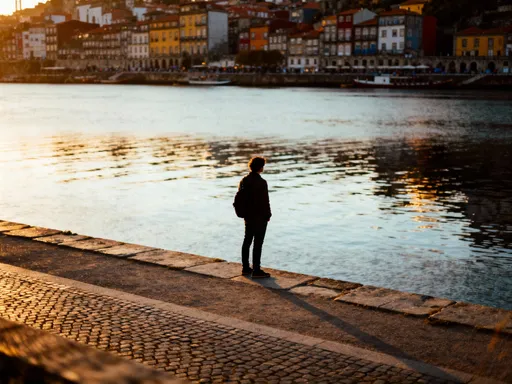
Yet this very allure can become a trap. When travelers arrive with expectations set by curated photographs, they often follow a well-worn path from one iconic spot to the next, rarely venturing beyond the postcard frame. The Ribeira District, for instance, is enchanting at sunrise, when the streets are quiet and the river reflects the soft glow of dawn. But by mid-morning, it transforms into a bustling corridor of souvenir stalls, overpriced cafes, and crowds jostling for the perfect photo. The authenticity that drew people here begins to fade under the weight of mass tourism. What was once a living neighborhood now performs its charm for visitors, like a stage set waiting for an audience.
The danger lies in equating popularity with value. Just because a site is heavily photographed doesn’t mean it offers the deepest connection to the city. Some of the most meaningful experiences in Porto happen quietly—on a side street where an elderly couple chats over coffee, in a small chapel where locals light candles, or at a corner bakery where the scent of fresh bread draws neighbors each morning. These moments aren’t marketed, but they are real. Understanding this distinction—the difference between spectacle and substance—is the first step toward a more fulfilling visit. Porto is not a checklist; it is a rhythm, a way of life that unfolds slowly and rewards patient observation.
Riverside Overload: The Ribeira Trap
The Ribeira District is often the first stop for travelers, and it’s easy to see why. Nestled along the banks of the Douro, it offers postcard-perfect views of colorful houses stacked like building blocks, narrow cobbled lanes, and the constant dance of boats on the water. During golden hour, when the sun dips behind the hills and bathes the buildings in warm light, the scene is nothing short of magical. But that magic is fleeting. By midday, Ribeira becomes one of the most crowded areas in the city, with tour groups spilling out of trams, street performers competing for attention, and restaurants raising prices for the sole reason that their tables face the river.
What was once a working riverside community has evolved into a commercial hub designed primarily for tourists. The cafes that line the waterfront often serve reheated food at premium prices, and the menus are printed in four languages with plastic-covered photos of dishes that rarely match what’s served. The atmosphere, once lively and local, now feels performative—like a show put on for visitors rather than a genuine expression of daily life. Even the music, once a spontaneous mix of accordion tunes and folk songs, is now often piped in or played by hired entertainers who rotate on fixed schedules.
To experience the riverside without the crowds, consider shifting your timing and location. The early morning, just after sunrise, offers a rare glimpse of Ribeira as it once was—quiet, intimate, and full of the small rituals of neighborhood life. Alternatively, explore less-visited stretches of the riverbank in neighborhoods like Cedofeita or Massarelos. These areas are still connected to the Douro but lack the tourist infrastructure, allowing for peaceful walks, unobstructed views, and spontaneous interactions with locals. In Massarelos, you might stumble upon a small fishing boat being repaired, or a group of retirees playing cards under a plane tree. These quiet moments reveal a more authentic side of Porto’s relationship with its river—one that isn’t for sale, but is freely given to those who take the time to look.
Port Wine Tours: When Tradition Becomes a Sales Pitch
No visit to Porto is complete without a trip to the wine cellars across the river in Vila Nova de Gaia. The history of port wine is deeply woven into the city’s identity, and touring these centuries-old lodges offers a chance to taste a beverage that has aged alongside empires. The experience typically begins with a guided walk through dimly lit cellars, where barrels of ruby, tawny, and vintage port rest in cool, humid silence. Guides speak of blending techniques, aging processes, and the British merchants who helped popularize the drink in the 18th century. The tour often ends with a tasting, accompanied by views of the Douro and the city skyline.
Yet not all cellar experiences are created equal. In some of the larger, more commercial lodges, the focus shifts from education to conversion. Staff may be more interested in closing a sale than sharing stories, and tastings can feel rushed or pressured. Prices for bottles—especially at the entry-level—are often inflated, and visitors may be steered toward branded merchandise or exclusive memberships. The narrative, once rich with family legacy and regional pride, becomes a polished script designed to move inventory. These tours aren’t necessarily dishonest, but they risk reducing a cultural tradition to a transaction.
For a more authentic experience, seek out smaller, family-run lodges that prioritize hospitality over profit. These venues may not have the grand lobbies or multimedia exhibits of their larger counterparts, but they offer something more valuable: personal connection. Here, a descendant of the original winemaker might lead the tour, sharing anecdotes about harvest seasons, blending experiments, and the challenges of preserving tradition in a modern market. The tasting feels like an invitation, not a pitch. Some of these lodges don’t advertise online or appear on hop-on-hop-off bus routes, making them harder to find—but also more rewarding. By supporting these independent producers, visitors not only gain deeper insight into port wine but also contribute to the preservation of a living craft.
Tram 1: Scenic Ride or Tourist Bottleneck?
Tram 1 is one of Porto’s most iconic experiences—a vintage yellow tram that winds its way from the city center along the Douro River to the coastal suburb of Foz. The route passes through historic neighborhoods, offers panoramic river views, and feels like a journey back in time. For many visitors, riding the tram is a must-do, a nostalgic way to see the city. And indeed, when the tram glides past colorful houses and under leafy arches, it delivers on its charm. But the popularity of this experience has turned it into one of the city’s most inefficient tourist activities.
Long lines form at the starting point, especially during peak season, with wait times often exceeding an hour. The trams themselves are small, with limited seating, and once full, they don’t run more frequently. This creates a bottleneck effect, where the very experience meant to be relaxing becomes stressful and time-consuming. Moreover, the fixed route and scheduled stops leave little room for spontaneity. Travelers must adhere to the tram’s pace, missing opportunities to pause, explore side streets, or linger at viewpoints.
A better alternative is to walk the same path at your own pace. The riverside promenade from Ribeira to Foz is well-maintained, shaded in parts, and offers continuous views of the river and the city. Walking allows you to stop whenever you like—perhaps at a small kiosk selling coffee, or a quiet bench where locals read newspapers. You can detour into neighborhoods like Massarelos or Lordelo do Ouro, where daily life unfolds away from tourist circuits. For those who still want a ride but prefer efficiency, local bus 500 follows a similar route with far shorter wait times and more frequent departures. It may lack the vintage charm of the tram, but it gets you to Foz with minimal hassle, leaving more time to enjoy the destination rather than the transit.
Fado Nights: Authentic Emotion or Staged Performance?
Fado, the soulful music of Portugal, is often described as the sound of longing—a musical expression of saudade, that deep, melancholic yearning for what has been lost. In Porto, Fado is more than entertainment; it is a cultural inheritance, passed down through generations in family homes and neighborhood taverns. The best Fado performances feel intimate, almost private, as if the singer is sharing a personal story rather than performing for an audience. The guitar, the voice, the silence between notes—all carry emotional weight.
Yet in some parts of the city, particularly in tourist-heavy areas, Fado has been repackaged as dinner theater. These venues offer multi-course meals paired with nightly shows, complete with scripted introductions, uniformed musicians, and timed set breaks. The music is technically accurate, but it often lacks spontaneity and emotional depth. The audience, mostly international visitors, claps politely but may not understand the lyrics or the cultural context. The experience becomes transactional: pay for dinner, receive a performance. While these shows are not without merit, they risk diluting the essence of Fado, turning a profound art form into a consumable product.
For a more genuine encounter, seek out Fado in residential neighborhoods like Miragaia, Massarelos, or Bonfim. These areas are home to small, unmarked venues—sometimes just a back room in a restaurant or a neighborhood bar—where Fado happens organically. There may be no schedule, no website, and no English menu. Musicians are often local amateurs or semi-professionals who sing because they love the tradition, not because they are paid to. The atmosphere is informal, the audience small and attentive. You might hear a grandmother sing a verse passed down from her mother, or a young guitarist experiment with a new arrangement. These moments are unpredictable, fleeting, and deeply moving. They remind us that some of the most powerful cultural experiences cannot be booked in advance—they must be discovered.
The Timing Trap: Missing Porto’s True Rhythm
One of the most overlooked aspects of travel is timing. In Porto, the rhythm of the city is profoundly shaped by the arrival of day-trippers and cruise ship passengers. Between 10 a.m. and 4 p.m., major attractions—Ribeira, the Clérigos Tower, Livraria Lello—swell with crowds, making it difficult to appreciate their beauty or history. Lines form at every entrance, sidewalks become congested, and even simple pleasures like sitting by the river or enjoying a pastry at a café are compromised by the sheer volume of people.
But outside these peak hours, Porto reveals a different character. Early mornings, just after sunrise, are particularly rewarding. The streets are nearly empty, the air is cool, and the light is soft. This is the best time to visit museums, which open quietly and offer a more contemplative experience when not crowded. The Serralves Museum of Contemporary Art, for example, is a joy to explore in the morning, when the gardens are dew-kissed and the galleries echo with silence. Similarly, local markets like Mercado do Bolhão come alive midweek, when residents shop for fresh produce, fish, and flowers. These are not staged for tourists; they are working markets, full of the sounds and scents of daily life.
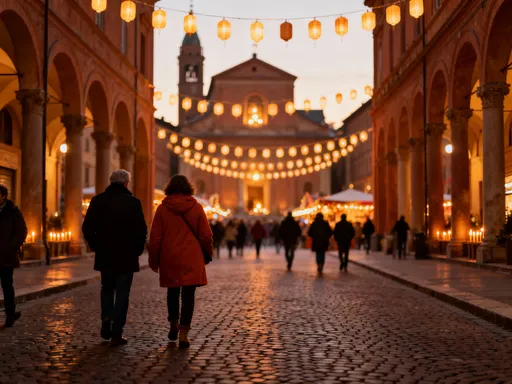
Evenings offer another window into the city’s authentic rhythm. After dinner, around 9 or 10 p.m., the streets begin to quiet. The day-trippers have returned to their hotels or cruise ships, and locals emerge for evening strolls. This is when Porto breathes. You can walk along the river without jostling for space, pause at a viewpoint without waiting your turn, or sit at a riverside bar with a glass of wine and simply watch the lights dance on the water. Late-night exploration reveals a city that is not performing for visitors but living for itself. By adjusting your schedule—rising early, staying out late, avoiding midday peaks—you align yourself with Porto’s natural pace and gain access to a more peaceful, personal experience.
Eating Like a Local: Beyond the Francesinha Hype
The Francesinha is Porto’s most famous culinary export—a decadent sandwich layered with multiple meats, covered in melted cheese, and drenched in a rich, beer-based sauce. It is bold, indulgent, and undeniably photogenic. Restaurants that serve it often display giant photos in their windows, and many visitors make it their primary dining goal. While the Francesinha can be delicious, the obsession with it often overshadows the broader richness of Porto’s cuisine. The city has a deep culinary tradition that extends far beyond this one dish, rooted in fresh seafood, slow-cooked stews, and simple preparations that highlight quality ingredients.
More concerning is how the Francesinha’s popularity has fueled the rise of tourist-targeted restaurants. These establishments, often clustered in Ribeira and Baixa, rely on visual menus, multilingual staff, and aggressive marketing to attract passersby. Their versions of the sandwich are frequently overpriced and underwhelming, using lower-quality meats and reheated sauces. The same is true for other regional dishes, which may be altered to suit foreign palates—less spice, more sugar, simplified flavors. These restaurants prioritize volume over authenticity, serving hundreds of meals a day with little regard for tradition or taste.
To eat like a local, step away from the tourist zones and into residential neighborhoods like Paranhos, Bonfim, or Aldoar. Here, small tascas—family-run eateries with plastic tablecloths and handwritten menus—serve dishes that reflect true regional cooking. Try tripeira, Porto’s traditional tripe stew, a humble but flavorful dish with roots in the city’s seafaring past. Or order bacalhau à Brás, a comforting mix of salted cod, eggs, and potatoes, or grilled sardines in season, served with boiled potatoes and a salad of tomatoes and onions. These meals are not flashy, but they are honest. The owners often greet regulars by name, and the kitchen moves at its own pace, not dictated by tourist turnover. By choosing these unassuming spots, you support local businesses and experience a cuisine that is not adapted for visitors, but lived by residents every day.
Conclusion: Seeing Porto Clearly, Not Just Completely
Porto is not a destination to be conquered, but a city to be understood. Its beauty lies not in the number of sights you check off, but in the quality of moments you collect—sipping a bica at a neighborhood café where the barista knows your order, discovering a quiet viewpoint with an unobstructed river panorama, or hearing the faint sound of Fado drifting from an open window on a summer night. These experiences cannot be rushed or scheduled, but they are available to those who slow down and look beyond the obvious.
The most rewarding way to experience Porto is to question the crowd. When every guidebook points to the same restaurant, ask who eats there when the tourists are gone. When a viewpoint is packed with phones held high, consider returning at dawn. When a tour feels scripted, seek out a smaller alternative. The city rewards curiosity, patience, and respect for its rhythms. By avoiding the traps of convenience and popularity, you open yourself to a deeper connection—one that lingers long after the trip ends.
Porto’s magic is not in its postcards, but in its pauses. It is in the quiet corners, the unmarked doors, the moments when you realize you’re no longer observing the city, but moving through it like a guest who has been quietly welcomed. That is the true experience. That is what nobody tells you about Porto.