You Won’t Believe How Bologna’s Festivals Slow Down Time
Have you ever felt like travel is just a blur of photos and checklists? In Bologna, Italy, I discovered a different rhythm—where festivals aren’t just events, but living traditions that stretch time. From ancient processions to food rituals passed down for centuries, every moment feels deeper. This is slow travel at its finest: immersive, authentic, and soul-filling. Let me take you there.
The Heartbeat of Bologna: Festivals as Cultural Anchors
Bologna pulses with a quiet pride, one that reveals itself most vividly during its many festivals. Unlike the flashy, tourist-driven spectacles found in other Italian cities, Bologna’s celebrations are deeply rooted in community, faith, and seasonal rhythms. These are not staged performances for cameras, but organic expressions of a city that values continuity, craftsmanship, and connection. Each festival acts as a cultural anchor, tethering residents—and thoughtful visitors—to centuries of shared experience.
One of the most enduring traditions is the Festa di San Luca, held every April in honor of the city’s patron saint. The celebration begins quietly, with families gathering before dawn to walk the porticoed path leading to the Sanctuary of San Luca, perched on a hill overlooking the city. This isn’t a parade for spectators; it’s a communal act of devotion, memory, and identity. The rhythm of footsteps on stone, the murmur of prayers, the flicker of candles—all contribute to a sense of time slowing, of being present in a way that modern life rarely allows.
Equally significant is Bologna Estate, a summer-long cultural initiative that transforms the city into an open-air stage. From June through September, piazzas host free concerts, film screenings, art installations, and neighborhood dinners. What makes this festival special is its accessibility. There are no VIP sections, no expensive tickets—just shared space, shared music, and the soft hum of conversation under starlit skies. These events don’t demand attention; they invite participation, gently drawing visitors into the daily life of the city.
The calendar is dotted with smaller, equally meaningful events: the Fiera di San Luca in autumn, celebrating local agriculture; the Processione del Venerdì Santo, a solemn Good Friday observance; and countless neighborhood sagre, or food festivals, that honor seasonal ingredients like truffles, chestnuts, and fresh pasta. Together, they form a living tapestry of tradition, one that rewards those who take the time to look, listen, and stay.
Why Slow Travel Fits Bologna Like a Glove
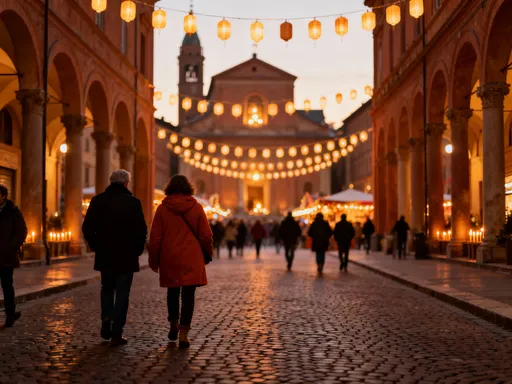
Bologna is a city built for slowness. Its historic center is compact, walkable, and lined with nearly 40 kilometers of porticoes—covered walkways that shelter pedestrians from sun and rain, encouraging leisurely strolls regardless of the weather. There are no sprawling suburbs to navigate, no need for cars. Instead, life unfolds at street level: in corner bakeries, family-run trattorias, and bustling morning markets where vendors know their customers by name.
This physical intimacy naturally supports a slower, more intentional form of travel. Unlike destinations where sightseeing means rushing from museum to monument, Bologna invites you to linger. You might spend an hour watching an elderly woman shape tortellini by hand at a cooking demo, or return to the same café three days in a row just to savor the ritual of the afternoon espresso. The city rewards curiosity, not efficiency.
Its festival culture amplifies this rhythm. While many travelers plan trips around ticking off landmarks, Bologna offers something richer: the chance to align your visit with the natural ebb and flow of local life. When you time your trip to coincide with a festival, you’re not just observing culture—you’re stepping into it. You feel the difference between seeing a tradition and living it, between being a guest and feeling, however briefly, like you belong.
Slow travel in Bologna is not about doing less—it’s about experiencing more. It means trading a checklist for a calendar, swapping crowds for connections, and replacing snapshots with stories. It’s the difference between tasting a plate of tagliatelle al ragù in a tourist trap and sharing a multi-course meal with a local family during a neighborhood feast, where every dish carries a name, a history, and a memory.
Spring Awakens: The Festa di San Luca and the Pilgrimage Path
Each April, Bologna wakes to the quiet solemnity of the Festa di San Luca. At the heart of the celebration is a centuries-old pilgrimage to the Sanctuary of San Luca, a majestic basilica nestled on Colle della Guardia, just outside the city center. What makes this journey extraordinary is the path itself—the Portico di San Luca, a continuous arcade of 666 arches stretching nearly four kilometers from the city gates to the hilltop sanctuary. Recognized by UNESCO as part of Bologna’s cultural heritage, it is the longest covered portico in the world.
On the morning of the festival, locals gather at the base of the portico dressed in everything from formal attire to comfortable walking shoes. Some carry candles, others baskets of pastries. The air is cool, the sky still soft with dawn light. As the procession begins, a hush settles over the group. There are no loudspeakers, no announcements—just the rhythm of footsteps, the occasional chime of a church bell, and the distant sound of a choir warming up in the distance.
Walking the portico is a meditative experience. The arches create a play of light and shadow, framing glimpses of the city below and the surrounding hills. Every few hundred meters, small chapels break the monotony, each adorned with religious art and flickering votive candles. Along the way, volunteers offer warm drinks and fresh bread, reinforcing the sense of community. Children run ahead, elders pause to rest, and strangers exchange quiet smiles.
Reaching the sanctuary feels like arriving at the heart of something sacred—not just religiously, but culturally. Inside, the air is thick with incense, and the statue of the Madonna di San Luca, believed to have miraculous powers, is dressed in ceremonial robes. Mass is celebrated in Latin and Italian, and the music swells through the stone vaults. But the most powerful moments happen outside, on the terrace, where pilgrims stand in silence, looking back at the city they’ve just walked through. In that stillness, time seems to expand, offering a rare gift: presence.
Summer Beats: Open-Air Cinema, Music, and Piazza Life
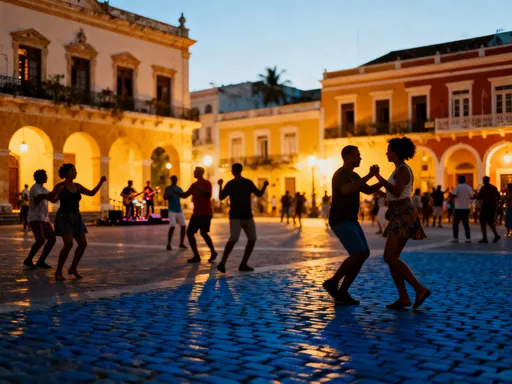
When summer arrives, Bologna transforms. The heat brings a languid energy, but the city never sleeps. Instead, it moves outdoors. Bologna Estate, the city’s official summer festival, turns piazzas, courtyards, and parks into vibrant cultural hubs. From June to September, residents and visitors alike gather for free concerts, open-air cinema nights, dance performances, and neighborhood aperitivo gatherings.
One of the most beloved events is the Cinema in Piazza series, where classic and contemporary films are projected onto temporary screens in historic squares. Imagine watching Fellini under the stars in Piazza Maggiore, surrounded by hundreds of locals sprawled on blankets, sipping wine and sharing snacks. There’s no admission fee, no assigned seating—just the simple joy of shared experience. These screenings aren’t just entertainment; they’re social rituals, reinforcing the idea that culture belongs to everyone.
Music is everywhere. Jazz bands play in hidden courtyards, folk ensembles perform in market squares, and indie rock groups take the stage in repurposed industrial spaces. The city’s commitment to accessibility means that most events are free or low-cost, removing financial barriers to participation. This inclusivity is central to Bologna’s identity—a city that values equality, education, and public life.
The aperitivo culture thrives during these months. As the sun dips behind the rooftops, people pour into piazzas with glasses of spritz or white wine, often accompanied by a buffet of small bites included in the drink price. It’s not just about drinking; it’s about pausing, connecting, and savoring the transition from day to night. In Bologna, aperitivo is not a pre-dinner ritual—it’s a celebration of time itself, a deliberate slowing down in a world that rarely stops.
Autumn Flavors: Food Markets and the Taste of Tradition
As summer fades, Bologna’s focus turns to harvest. Autumn is a season of abundance, and the city’s markets come alive with the colors and scents of the region’s finest produce. The Fiera di San Luca, held in late September and early October, is one of the oldest and most cherished agricultural fairs in Emilia-Romagna. Spread across the city’s eastern districts, it features hundreds of stalls selling everything from heirloom tomatoes and wild mushrooms to handmade cheeses and freshly pressed olive oil.
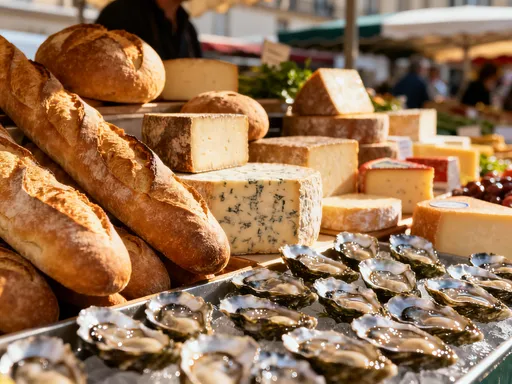
But the true stars of the fair are the region’s legendary products: Parmigiano Reggiano, aged for 24 to 36 months; traditional balsamic vinegar, slowly reduced in wooden barrels over years; and fresh pasta—tortellini, tagliatelle, and lasagna—shaped by hand in real time. Many vendors invite visitors to taste before buying, offering small cubes of cheese, drops of vinegar on bread, or warm bites of pasta tossed in butter and sage.
What makes these experiences transformative is the human connection. Artisans don’t just sell—they explain, demonstrate, and share stories. A cheesemaker might describe how the diet of the cows affects the flavor of the milk. A vinegar producer might show you the series of barrels used in the solera method, each passed down through generations. These are not transactions; they are transmissions of knowledge, a living link between past and present.
Food festivals throughout the season offer similar depth. In nearby towns like Medicina and Castel San Pietro, sagre celebrate truffles, chestnuts, and new wine. Locals set up long tables in church courtyards, serving family recipes and encouraging guests to stay, eat, and talk. These meals are slow by design—multiple courses, long pauses, plenty of wine. They are not meant to be rushed. In fact, rushing would miss the point entirely. Here, eating is not fuel; it’s fellowship, memory, and identity.
Behind the Scenes: Connecting with Locals During Celebrations
One of the most profound rewards of attending Bologna’s festivals is the unexpected access they provide to local life. Unlike curated tourist experiences, these events are woven into the fabric of the community. They are organized by neighborhood committees, religious groups, and volunteer associations—people who care deeply about preserving their traditions. And when you show up with genuine interest, they notice.
I remember joining a small neighborhood feast during Bologna Estate. It wasn’t listed in any guidebook. I had simply followed the sound of music down a narrow street and found a group of elderly women setting up tables in a cobblestone courtyard. When I gestured to help, one of them handed me a stack of plates with a smile. No words were needed. Over the next few hours, I passed bread, poured wine, and listened to stories told in rapid Italian, half of which I didn’t understand—but the warmth was universal.
These moments of connection don’t happen by accident. They require openness, patience, and a willingness to step outside the role of observer. Learning a few basic Italian phrases—"Buongiorno," "Grazie," "Posso aiutare?"—can open doors. So can simply staying in one place long enough for people to recognize your face. Bologna is not a city that reveals itself in a day. Its magic unfolds over time, in repeated encounters, in the slow building of trust.
Festivals create natural opportunities for this. Whether you’re sharing a candle during the San Luca procession, dancing at a piazza concert, or helping roll dough at a pasta-making demo, you’re no longer a tourist. You’re a participant. And in that shift, something subtle but powerful happens: the boundary between visitor and local begins to blur.
Practical Magic: Planning a Festival-Centric Trip Without the Rush
Designing a trip around Bologna’s festivals doesn’t require elaborate planning—but it does require intention. The first step is aligning your travel dates with key events. The Festa di San Luca is held annually on April 25, coinciding with Italy’s Liberation Day. Bologna Estate runs from June to September, with peak activity in July and August. The Fiera di San Luca takes place in late September, while smaller food sagre occur throughout autumn.
Accommodations should be booked well in advance, especially for spring and summer events. Rather than staying in large hotels, consider family-run guesthouses, agriturismi on the city’s outskirts, or apartments through trusted rental platforms. Staying near central squares like Piazza Maggiore or Piazza Santo Stefano places you within walking distance of most festival activities and enhances your sense of immersion.
Public transportation in Bologna is efficient and affordable. The city has an extensive bus network, and the Bologna Centrale train station connects to major Italian cities. For longer stays, consider a Bologna Welcome Card, which offers free or discounted access to museums, public transit, and select festival events.
While it’s tempting to pack your schedule, the essence of slow travel is balance. Allow for downtime—mornings spent reading in a café, afternoons browsing bookshops, or quiet walks through the porticoes. Let the city surprise you. Some of the best experiences happen unplanned: a chance invitation to a private celebration, a conversation with a vendor that turns into a cooking lesson, a sunset viewed from a hidden rooftop.
Most importantly, approach the festivals not as attractions to be consumed, but as living traditions to be respected. Dress modestly for religious events, arrive on time, and follow local customs. Ask before taking photos. When in doubt, observe and follow the lead of those around you. These small acts of mindfulness honor the culture you’re engaging with—and deepen your own experience.
Conclusion
Bologna teaches us that the best travel isn’t about ticking boxes—it’s about sinking into the rhythm of life as it’s truly lived. Its festivals are not performances, but invitations: to walk slowly, taste deeply, and belong, even if just for a moment. When you let go of haste, you gain everything. In the candlelit procession to San Luca, in the laughter of a piazza concert, in the quiet exchange at a market stall, time doesn’t just slow down—it expands, revealing layers of meaning that fast travel can never reach. This is the magic of Bologna: a city that doesn’t just welcome you, but allows you to linger, listen, and remember what it means to be truly present.