You Won’t Believe These Hidden Natural Wonders Near Bern
When you think of Bern, Switzerland, historic clock towers and alpine charm probably come to mind—but what if I told you untouched waterfalls, secret forest trails, and wildflower-draped valleys lie just minutes from the city? I was stunned by how easily I stumbled upon these serene natural escapes. This isn’t just a capital city—it’s a gateway to nature’s best-kept secrets. Let me take you where the maps don’t show. Away from postcard-perfect facades and cobblestone alleys, Bern reveals a quieter, wilder side. Here, the hum of the city fades into birdsong, and the rush of daily life gives way to the rhythm of flowing rivers and whispering trees. For those who seek peace, clarity, and connection, these nearby natural wonders offer something far more precious than sightseeing—they offer renewal.
Beyond the Old Town: Bern’s Unexpected Natural Backyard
Bern is celebrated for its medieval arcades, the Zytglogge clock tower, and its status as a UNESCO World Heritage site—but few realize that just beyond the stone bridges and historic rooftops lies an expansive network of forests, rivers, and hills teeming with life. The city is uniquely positioned at the heart of a natural corridor, where urban planning has long prioritized green access. Unlike many European capitals that grew at nature’s expense, Bern evolved alongside it. The Aare River encircles the old town like a protective moat, not only shaping the city’s geography but also serving as a vital artery to the wilder landscapes beyond.
What makes Bern extraordinary is how effortlessly residents and visitors can transition from city life to deep nature. Within 15 minutes by tram or bicycle, one can stand at the edge of a forest so dense that sunlight filters through in golden shards. Public transport routes extend into foothills and woodland entrances, making these escapes accessible without a car. Neighborhoods like Länggasse and Bümpliz are seamlessly connected to forest trails, while parks such as Engehalbinsel offer riverside meadows perfect for picnics or quiet reflection. This integration of green space into daily life isn’t accidental—it’s intentional urban design rooted in Swiss values of balance, sustainability, and outdoor well-being.
The contrast between Bern’s polished historic center and its rugged surroundings is striking. One moment you’re sipping coffee beneath baroque eaves; the next, you’re walking beneath towering pines with only the sound of wind and water for company. This duality defines the Bern experience: a city that honors its past while remaining deeply connected to the natural world. For families, couples, or solo travelers seeking respite, these nearby landscapes provide not just recreation but a sense of grounding. In a world where urban sprawl often distances us from nature, Bern offers a rare alternative—proximity to wilderness as a way of life.
The Aare River: Wild, Cold, and Totally Addictive
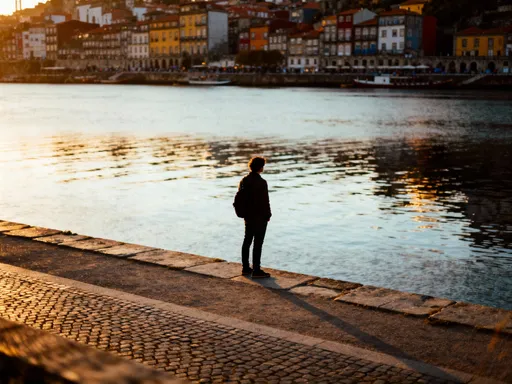
The Aare River is the lifeblood of Bern, coursing through the city with a force that feels both majestic and intimate. Fed by glaciers in the Bernese Oberland, its waters are strikingly clear and a vivid shade of emerald green, especially in summer when sunlight catches its surface. The current is strong, steady, and cold—often hovering around 14–17°C (57–63°F) even in warm months—but this hasn’t deterred generations of locals from embracing it as their personal playground. Swimming in the Aare is not just a pastime; it’s a rite of passage, a beloved tradition that connects people to the raw energy of nature right in the city’s heart.
Popular entry points like Marzili, just below the Federal Palace, offer easy access via stone steps and changing cabins. From there, swimmers join the current and float downstream, carried by the river’s flow for up to 30 minutes before exiting at designated spots like Schwellenmätteli or Nydeggbrücke. This practice, known as “Aareschwimmen,” draws hundreds daily during peak season. The experience is exhilarating—cool water against the skin, the gentle push of the current, the cityscape gliding by in slow motion. It’s not just about exercise; it’s about surrendering to the rhythm of the river, a moment of pure presence in an otherwise busy life.
For those who prefer to stay dry, the riverbanks offer scenic walking paths, shaded benches, and grassy banks perfect for reading or sunbathing. Kayakers and stand-up paddleboarders navigate the calmer stretches, while families gather to watch children splash near the shore. Safety is well managed: lifeguards are on duty during summer weekends, signage warns of strong currents, and floating etiquette is widely observed—swimmers keep to the right, avoid sudden movements, and never swim alone. The city also monitors water quality regularly, ensuring it remains safe for recreation.
Even in winter, the Aare remains a presence—its icy hue deepening, its flow uninterrupted by snow. Some hardy souls still dip their toes in, while others walk the banks, marveling at how the river never fully freezes. Whether you’re floating, walking, or simply pausing to watch, the Aare offers a constant reminder that nature is not something distant or separate, but a living, breathing part of urban life. It’s this accessibility, this intimacy with the wild, that makes Bern truly unique.
BärenPark and Beyond: Where Wildlife Meets the City
The BärenPark in Bern is often the first wildlife encounter for visitors, but it’s far from a traditional zoo. Built along the Aare River, this 6,000-square-meter enclosure was designed to mimic the natural habitat of brown bears, with rocky terrain, flowing water, and shaded forest areas. Since its opening in 2009, it has provided a humane home for bears rescued from inadequate conditions elsewhere. The current residents—typically one or two bears—are visible from multiple viewing platforms, allowing guests to observe their behaviors up close without intrusion. It’s a place of education and empathy, where children learn about animal welfare and conservation through guided tours and interactive displays.
Yet beyond the BärenPark lies an even more compelling story—one of truly wild spaces where animals live freely, unseen and undisturbed. Upstream from the city, along protected stretches of the Aare, small populations of deer, foxes, and martens move through the underbrush. Birdwatchers may spot kingfishers diving for fish, herons stalking the shallows, or even the elusive Eurasian otter in the early morning hours. These creatures thrive not in captivity, but in the quiet margins of the urban landscape, where dense woods and riverbanks provide shelter and food.
For those seeking a deeper connection with nature, the trails leading north from the BärenPark into the Worbetal valley offer a chance to walk where wildlife roams. These paths are intentionally low-key—no loud signage, no crowds. Dawn is the best time to visit, when mist hangs over the river and the forest is alive with sound. A pair of binoculars and a quiet step can reveal more than any exhibit ever could. The experience is not about spectacle, but about presence—about learning to move softly and listen closely.
The coexistence of city and wildlife in Bern is no accident. Strict conservation policies protect riparian zones, limit development near sensitive habitats, and maintain ecological corridors that allow animals to move safely. Light pollution is minimized in key areas, and native plants are favored in landscaping to support local biodiversity. This thoughtful stewardship ensures that Bern remains not just a place where people live, but a place where nature can thrive alongside them. The BärenPark may draw the crowds, but the real magic lies beyond it—in the unseen, the quiet, the wild.
Unterschachen: A Forest Escape Just Outside Bern
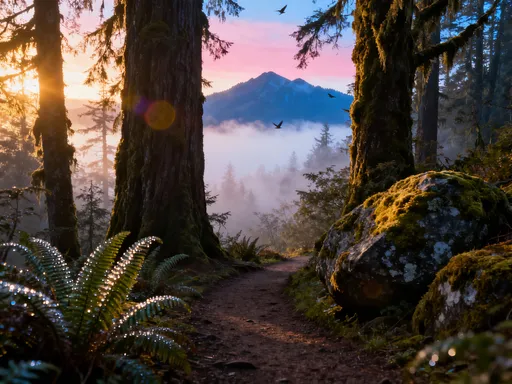
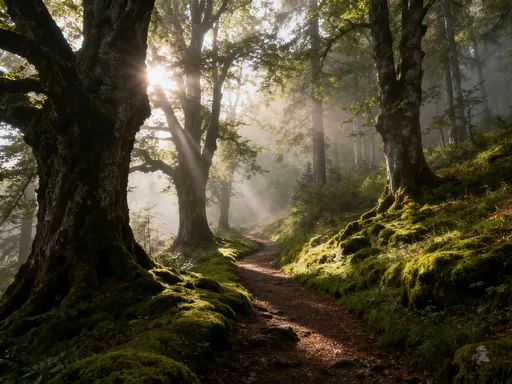
Just a short tram ride from central Bern, Unterschachen is a forest retreat that feels worlds away from city life. Nestled in the foothills to the west, this lesser-known woodland offers a network of well-marked trails winding through moss-covered paths, over wooden footbridges, and alongside babbling streams. The air here is cooler, damper, filled with the earthy scent of pine and decaying leaves. Sunlight filters through the canopy in dappled patterns, shifting with the wind and time of day. It’s the kind of forest that invites slow walking, deep breathing, and quiet contemplation—a sanctuary for the senses.
What sets Unterschachen apart is its tranquility. Unlike more popular hiking destinations, it rarely draws large crowds, making it ideal for those seeking solitude or a peaceful walk with family. Trails range from gentle, stroller-friendly loops to more challenging climbs that reward hikers with panoramic views of the surrounding hills. Benches are thoughtfully placed at scenic overlooks, and small wooden shelters offer protection from sudden mountain showers. The forest is also home to old-growth trees, some centuries old, whose trunks bear the marks of time and weather, standing as silent witnesses to the passage of generations.
Seasonal changes bring new dimensions to the experience. In spring, the forest floor bursts with wild garlic, wood anemones, and bluebells, releasing a delicate fragrance into the air. Summer brings dense foliage and the hum of insects, while autumn transforms the landscape into a tapestry of gold, amber, and crimson. Even in winter, when snow blankets the ground, the forest retains its beauty—branches dusted with frost, animal tracks crisscrossing the path, the world hushed and still.
Accessibility is another strength. Tram line 9 runs directly to the edge of the forest, with clear signage guiding visitors to trailheads. Information boards at the entrance provide maps, safety tips, and details about local flora and fauna. Dogs are welcome on leash, and waste stations are provided to ensure the area remains pristine. For families, it’s an ideal destination for a half-day outing—long enough to feel immersive, short enough to fit into a busy schedule. In a world where true wilderness is increasingly rare, Unterschachen offers a precious middle ground: wild enough to feel real, close enough to visit often.
Dählhölzli Wildlife Park: Nature Education in Action
Nestled along the Aare River in the Dählhölzli forest, this wildlife park is one of Bern’s best-kept secrets. Unlike conventional zoos, Dählhölzli focuses exclusively on native species, housing animals like red deer, wild boar, lynx, and ibex in spacious, naturalistic enclosures. The design philosophy is clear: minimize human impact while maximizing educational value. Elevated boardwalks and hidden viewing platforms allow visitors to observe animals without disturbing them, fostering a sense of respect and connection.
Each enclosure is carefully landscaped to replicate the animal’s natural habitat—rocky cliffs for ibex, dense underbrush for wild boar, open meadows for deer. The park is also home to a small aviary featuring native birds of prey, including owls and buzzards, many of which were injured in the wild and cannot be released. Educational signage, available in multiple languages, explains the animals’ behaviors, diets, and conservation status, making it an enriching experience for children and adults alike.
What truly sets Dählhölzli apart is its emphasis on quiet engagement. There are no loud attractions, no staged shows—just the sounds of nature and the occasional call of a deer in the distance. Seasonal feeding times draw small crowds, not for spectacle, but to learn. Park rangers often accompany these events, answering questions and sharing insights into wildlife management. School groups visit regularly, participating in guided programs that teach ecological responsibility and biodiversity.
The surrounding forest enhances the experience, with trails connecting the park to other green spaces. Families often combine a visit with a picnic or a swim in the nearby river. Open year-round and free of charge, Dählhölzli embodies Bern’s commitment to accessible, ethical nature education. It’s a place where curiosity is nurtured, where wonder grows quietly, and where the boundary between human and wild feels just a little thinner.
Gurten’s Green Slopes: More Than Just a View
Rising 858 meters above sea level, Gurten is Bern’s local mountain and a beloved destination for both tourists and residents. While many come for the panoramic view from the summit—where the city, the Aare loop, and the distant Alps unfold in a breathtaking sweep—few explore the rich natural landscape that covers its slopes. Beyond the funicular station and the observation terrace lies a mosaic of meadows, woodlands, and alpine flora that changes with elevation and season.
The lower slopes are covered in mixed forest, where beech, fir, and spruce create a cool, shaded environment ideal for hiking. As you climb, the trees thin out, giving way to open meadows dotted with wildflowers—edelweiss, gentians, and alpine asters in summer, goldenrod and thistles in late season. These high-altitude zones are home to rare plant species adapted to harsh conditions, as well as insects and birds that depend on them. Interpretive signs along the trails identify key species and explain the ecological importance of these fragile ecosystems.
Hiking routes vary in difficulty, from the gentle Gurten Panoramaweg to steeper paths that challenge even experienced walkers. The funicular makes the summit accessible to all, but many choose to hike up or down, enjoying the rhythm of their steps and the unfolding scenery. On clear days, the view stretches for miles; on foggy mornings, the summit disappears into mist, creating an almost mystical atmosphere. This unpredictability is part of Gurten’s charm—it’s never the same twice.
Sustainability is central to Gurten’s management. The funicular runs on renewable energy, waste is carefully sorted, and visitor numbers are monitored to prevent overuse. Events like outdoor concerts are designed to minimize environmental impact, with strict rules on noise and cleanup. For locals, Gurten is more than a viewpoint—it’s a living landscape, a place of renewal, exercise, and quiet joy. Whether you come to hike, to meditate, or simply to breathe deeply, Gurten offers a profound reminder that nature is not somewhere else—it’s right here, waiting.
Why These Spots Matter: Connecting Urban Life with Wild Nature
The natural wonders near Bern are not just scenic diversions—they are vital components of a balanced, healthy life. In an era when urbanization often means disconnection—from soil, from seasons, from silence—Bern offers a powerful countermodel. Here, nature is not a luxury or an afterthought; it is woven into the fabric of daily existence. The ability to swim in a glacier-fed river before work, to walk through ancient forest during lunch, or to watch deer at dusk from a city tram is a privilege that carries deep psychological and physical benefits.
Studies consistently show that access to green space reduces stress, improves mood, and enhances cognitive function. For families, these natural areas provide safe, engaging environments where children can explore, learn, and develop a lifelong appreciation for the environment. For older adults, they offer gentle exercise and social connection. For everyone, they serve as a refuge from the sensory overload of modern life. The presence of such accessible wilderness also fosters environmental awareness—when people experience nature regularly, they are more likely to care for it.
Bern’s integration of urban and natural spaces offers a blueprint for sustainable living. It demonstrates that cities don’t have to grow at nature’s expense—that with thoughtful planning, the two can coexist and even enrich each other. Other capitals may have parks, but few offer such immediate, unfiltered access to wild landscapes. This proximity is not just convenient; it’s transformative. It changes how people see themselves in relation to the natural world—not as separate, but as part of it.
As you explore these hidden wonders, remember to move mindfully. Stay on marked trails, respect wildlife, and leave no trace. Carry out what you carry in, and let curiosity guide you more than conquest. Let the sound of the river, the scent of pine, the sight of a deer vanishing into the trees remind you of what matters. Bern’s greatest gift is not its clock tower or its political legacy—it is this: the certainty that wonder is always within reach, just beyond the next bend in the path.