Secret Coves & Sun-Kissed Skies: My Cape Coast Escape
Have you ever dreamed of a place where the ocean breathes with rhythm, and nature still holds its wild magic? Cape Coast, Ghana, isn’t just history—it’s a living canvas of natural wonders. From secluded beaches kissed by golden light to lush coastal trails humming with life, this hidden gem offers a soul-refreshing escape. I wandered, I wondered, and I fell in love—quietly, deeply, completely. While many travelers come to reflect on the past within the stone walls of Cape Coast Castle, few realize that just beyond the fortifications lies a world of untouched beauty: emerald forests, whispering tides, and skies painted with the soft hues of dawn and dusk. This is a destination that doesn’t merely invite sightseeing—it calls for presence, for stillness, for a deeper kind of knowing.
The Allure of Cape Coast Beyond the Castle
Cape Coast is often introduced through the solemn lens of history, and rightly so. The Cape Coast Castle stands as a powerful testament to resilience, memory, and the enduring human spirit. Yet, beyond its storied ramparts, a different kind of journey unfolds—one shaped by wind, water, and wilderness. The surrounding region is a tapestry of natural contrasts: coastal cliffs draped in greenery, sudden valleys opening to the sea, and breezes carrying the scent of salt and blooming frangipani. This duality—historical depth and ecological richness—makes Cape Coast uniquely layered. For the modern traveler seeking both reflection and rejuvenation, stepping off the well-trodden path into the natural landscape becomes not just a detour, but a necessity.
What sets this coastal region apart is its ability to balance accessibility with seclusion. Just a short drive from the city center, the noise of traffic fades into the rustle of palm leaves and the distant roll of waves. Here, nature isn’t curated or commercialized; it remains in conversation with daily life. Fishermen mend nets on sandy shores, children laugh as they chase crabs at low tide, and elders sit beneath shade trees, watching the tides shift. These quiet moments are part of the landscape’s rhythm, reminding visitors that nature here is not a backdrop but a lived experience. To explore Cape Coast’s outdoors is to witness how people and environment coexist in a delicate, enduring harmony.
For those willing to look beyond monuments, the rewards are profound. A sunrise walk along an empty beach, the cool sand beneath bare feet, the sky shifting from indigo to gold—such moments recalibrate the soul. The natural world here does not demand attention; it offers it gently, patiently. And in that offering, there is healing. Whether you come to understand the past or to reconnect with yourself, Cape Coast’s true power lies in its ability to hold both. The history teaches. The landscape restores.
Hidden Beaches Only Locals Knew—Until Now
While Cape Coast’s main beaches draw modest crowds, the real treasures are tucked away—places where the shoreline curves out of sight, sheltered by rocky outcrops and dense vegetation. These hidden coves have long been the quiet sanctuaries of local families and fishermen, known more by word of mouth than by maps. In recent years, a growing number of thoughtful travelers have begun to discover them, drawn by stories of soft sand, clear waters, and the kind of solitude that feels almost sacred.
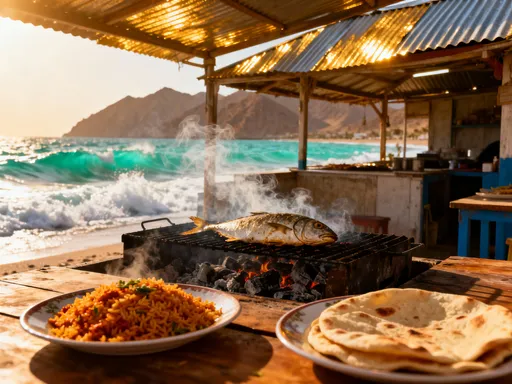
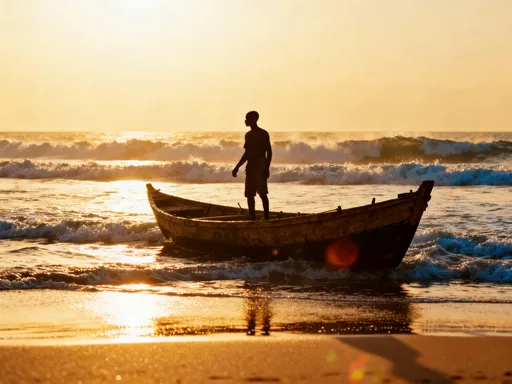
One such gem is Busua Beach, located about 20 kilometers west of Cape Coast. Though it has gained recognition among surfers and eco-tourists, it retains a relaxed, unspoiled charm. The beach stretches in a gentle arc, framed by coconut palms and small wooden huts where locals sell fresh coconut water and grilled fish. The waves here are consistent but not overwhelming, making it ideal for beginners learning to surf with local instructors. At dawn, the beach is often empty except for fishermen pushing their brightly painted canoes into the surf. Their daily ritual—chanting, teamwork, and quiet determination—adds a human rhythm to the natural one, a reminder that this coast has always been a place of sustenance and survival.
Further along the coast, Baomaa Beach offers a different kind of solitude. Less accessible and therefore less frequented, it feels like a secret whispered by the sea. The path down is uneven, winding through low shrubs and patches of wildflowers, but the effort is repaid the moment you step onto the sand. The water here is calmer, clearer, and often dotted with small fish darting near the shore. It’s a perfect spot for swimming, floating, or simply lying back and listening to the waves. What makes Baomaa special is not just its beauty, but its stillness—a quality that’s becoming rare in a world of constant noise. Families sometimes gather here on weekends, spreading mats under the shade, but even then, the beach never feels crowded. Space is abundant, and silence is honored.
For those seeking a more adventurous route, a guided walk along the coastline from Cape Coast to nearby villages can reveal even more secluded spots. Local guides know the tides and terrain intimately, leading visitors to hidden inlets where the sand is powdery and the water glows in shades of turquoise and jade. These journeys are as much about connection as they are about discovery—opportunities to learn from those who know the land best. And in every footprint left on these shores, there’s a choice: to tread lightly, to leave no trace, to respect the quiet beauty that has remained hidden for so long.
Kakum National Park: Walking Among Giants
No journey through Ghana’s natural landscape is complete without a visit to Kakum National Park, a 375-square-kilometer expanse of tropical rainforest nestled just north of Cape Coast. This protected ecosystem is one of the last remaining tracts of closed-canopy forest in West Africa, home to a dazzling array of plant and animal life. But what truly sets Kakum apart is its canopy walkway—a series of seven suspension bridges strung between ancient trees, soaring up to 35 meters above the forest floor. Walking across these bridges is not just an adventure; it’s a transformation. Suddenly, you are no longer observing the forest—you are part of it, suspended in a world of light, leaf, and air.
The canopy walk is always undertaken with a trained guide, ensuring both safety and education. As you step onto the first bridge, the forest sounds shift—the rustle of leaves below, the call of hornbills overhead, the occasional scurry of a squirrel or monkey in the branches. The bridges sway gently with each step, a reminder of the living, breathing nature of the trees that support them. From this vantage point, the forest reveals itself in layers: the dense green canopy stretching in every direction, shafts of sunlight piercing through, and the occasional glimpse of a butterfly with wings like stained glass. It’s a perspective few ever experience, and one that fosters a deep appreciation for the complexity and fragility of rainforest ecosystems.
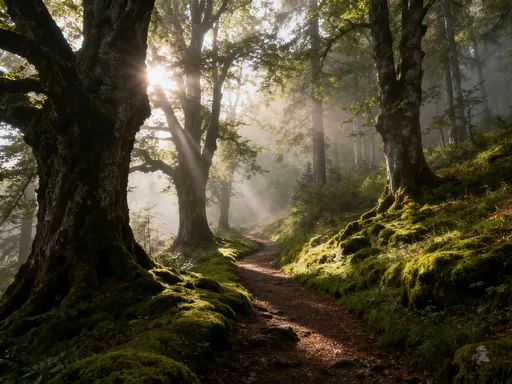
But the magic of Kakum doesn’t end at the treetops. The forest floor is equally alive, teeming with life both visible and hidden. Guided nature trails lead through the undergrowth, where interpretive signs point out medicinal plants, towering mahogany trees, and the tracks of small mammals like duikers and civets. Birdwatchers may spot the yellow-billed turaco or the blue-headed wood dove, while insect enthusiasts can marvel at the diversity of beetles and butterflies. The park is also home to over 400 species of flowering plants, many of which play vital roles in traditional healing practices. Every step through Kakum is a lesson in interdependence—the way roots bind soil, how birds disperse seeds, and how every creature, no matter how small, contributes to the forest’s balance.
Kakum is not just a destination; it’s a model of conservation in action. Managed by the Ghana Wildlife Division in partnership with local communities, the park prioritizes sustainable tourism and environmental education. Entrance fees support conservation efforts and provide employment for nearby villages. Visitors are encouraged to stay on marked trails, avoid loud noises, and refrain from feeding or disturbing wildlife. These practices ensure that Kakum remains a sanctuary for generations to come. To walk through Kakum is to walk with reverence—for the trees that have stood for centuries, for the creatures that call it home, and for the quiet wisdom of a forest that has much to teach.
Coastal Trails and Ocean Vistas: Hiking Cape Coast’s Edge
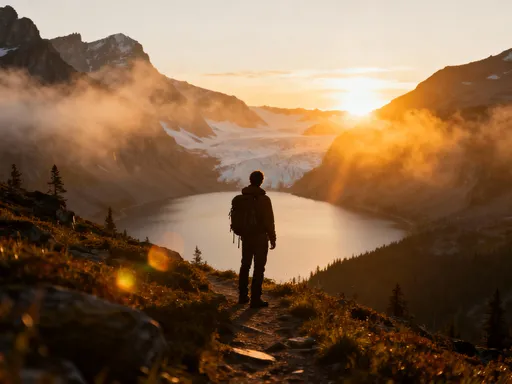
While the forests of Kakum rise above the earth, the coastline of Cape Coast offers a different kind of elevation—one of cliffs, dunes, and sweeping ocean views. Here, informal trails wind along the edge of the Atlantic, where the land meets the sea in dramatic fashion. These paths are not marked on most tourist maps, and few guided tours include them, making them perfect for independent explorers seeking solitude and scenery. Early morning is the ideal time to walk: the air is cool, the light is soft, and the coast feels like it belongs only to you.
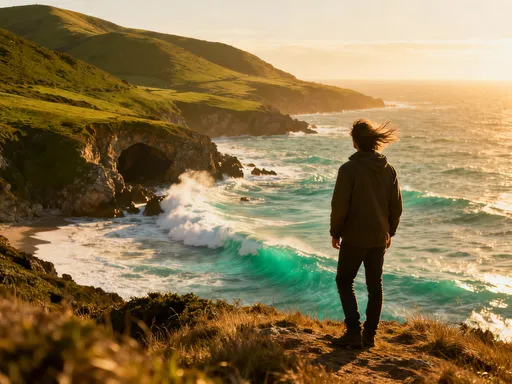
One of the most rewarding routes begins near Fort Victoria, a lesser-known colonial structure perched on a rocky promontory. From here, a narrow footpath follows the cliffline eastward, offering uninterrupted views of the ocean. The trail is uneven, carved by foot traffic and weather, but it requires no technical skill—just sturdy shoes and a willingness to move slowly. With each step, the landscape shifts: jagged rocks below, waves crashing in white foam, seabirds wheeling overhead. In the distance, fishing boats dot the horizon, their silhouettes sharp against the rising sun. It’s a scene of raw beauty, untouched by development, where nature’s power is felt in every gust of wind and surge of tide.
As you walk, the senses come alive. The salt spray mists your skin. The scent of wild thyme and sea lavender lingers in the air. Small lizards dart between crevices, and fiddler crabs scuttle across tidal pools exposed by the receding waves. These details—small, fleeting, but deeply present—invite mindfulness. There is no rush here, no agenda. The trail does not lead to a grand destination; it is the journey itself that matters. In a world that often values speed and efficiency, these walks offer a different rhythm—one of patience, observation, and quiet joy.
For those seeking a longer trek, the path can extend toward nearby fishing villages, where the trail eventually merges with local roads. Along the way, you may pass women selling smoked fish by the roadside, or children walking to school with books tucked under their arms. These encounters ground the experience, reminding visitors that this coastline is not just a scenic backdrop but a living, working environment. The trails of Cape Coast do not separate nature from community; they weave them together, creating a travel experience that is both personal and deeply connected.
The Pulse of Nature: Wildlife and Seasons in Coastal Ghana
To truly appreciate Cape Coast’s natural beauty, one must understand its rhythms—the seasonal shifts, the movements of wildlife, and the subtle changes that mark the passage of time. Unlike tropical destinations with constant weather, coastal Ghana experiences two primary seasons: the dry season, from November to March, and the rainy season, from April to October, with a brief lull in August. Each season shapes the landscape differently, offering distinct experiences for visitors.
The dry season brings sunny skies, lower humidity, and calm seas—ideal conditions for beach visits, hiking, and outdoor exploration. This is the peak tourist period, and for good reason: the weather is predictable, the trails are dry, and the ocean is inviting. However, it’s also the hottest time of year, with temperatures sometimes reaching 32°C. Travelers are advised to start early in the day, carry water, and seek shade during midday hours. The dry season is also the best time to spot certain wildlife, such as monitor lizards basking on sun-warmed rocks or kingfishers perched above lagoons, waiting to dive for fish.
The rainy season transforms the region into a lush, vibrant landscape. What was dusty becomes green. Streams swell, waterfalls emerge, and the air carries the rich scent of wet earth. While heavy afternoon rains can interrupt outdoor plans, they are usually brief, followed by clearing skies and rainbows stretching across the coast. This season is particularly beautiful in Kakum National Park, where the forest comes alive with blooming flowers and increased bird activity. It’s also the time when certain migratory species pass through, including humpback whales that can occasionally be seen offshore between July and September. Though whale watching is not a formal activity in Cape Coast, patient observers on coastal cliffs may be rewarded with distant glimpses of spouts and flukes.
Understanding these natural cycles allows travelers to plan visits that align with their interests. Those seeking sunshine and swimming will prefer the dry season, while photographers and nature lovers may favor the rainy months for their dramatic skies and vivid colors. Regardless of timing, one principle remains constant: respect for nature’s pace. Wildlife should be observed from a distance, nesting areas avoided, and natural habitats left undisturbed. By tuning into the pulse of the region, visitors don’t just witness nature—they become part of its rhythm.
Sustainable Encounters: How to Enjoy Without Exploiting
As interest in eco-tourism grows, so does the responsibility to travel with care. Cape Coast’s natural wonders are not infinite; they require protection, stewardship, and mindful engagement. The choices travelers make—where they stay, what they buy, how they move through the landscape—have real impacts on the environment and local communities. Fortunately, there are many ways to enjoy this region while minimizing harm and maximizing positive contribution.
One of the most impactful decisions is to support community-led tourism initiatives. Local guides, often trained through conservation programs, offer personalized, insightful tours of Kakum National Park, coastal trails, and hidden beaches. Hiring them not only ensures a richer experience but also directs income directly to those who depend on the land. Similarly, choosing accommodations that prioritize sustainability—such as eco-lodges that use solar power, collect rainwater, and avoid single-use plastics—helps reduce environmental strain. Many of these lodges also employ local staff and source food from nearby farms, creating a ripple effect of economic and ecological benefit.
Another key practice is reducing plastic waste. Plastic pollution is a global challenge, and coastal areas are especially vulnerable. Travelers can help by carrying reusable water bottles, refusing plastic bags, and participating in beach clean-ups when available. Simple actions, like packing out trash or avoiding disposable toiletries, go a long way in preserving the cleanliness of beaches and forests. Additionally, respecting wildlife means not feeding animals, keeping noise levels low, and staying on designated paths to prevent soil erosion and habitat disruption.
Transportation choices also matter. Opting for shared taxis or walking instead of private motor vehicles reduces carbon emissions and supports local mobility systems. For water-based activities, choosing paddle boats or traditional canoes over motorized speedboats minimizes noise pollution and fuel runoff, protecting marine life. These small, conscious decisions accumulate into meaningful change. Sustainable travel is not about perfection; it’s about intention. It’s about recognizing that every visit leaves a mark—and choosing to make that mark a light one.
Why Natural Wonders Feed the Soul
In the end, travel is not just about what we see, but how we feel. Cape Coast offers more than historical landmarks and scenic views; it offers a chance to reconnect—with nature, with stillness, with ourselves. In a world that often feels fragmented and fast, the natural landscapes of this region provide a rare kind of wholeness. They do not demand productivity. They do not require performance. They simply exist, vast and quiet, inviting us to pause and breathe.
There is a deep, almost wordless wisdom in standing on a cliff as the waves crash below, in walking a forest path where sunlight filters through leaves, in sitting on a beach as the tide rolls in and out. These moments do not teach through words, but through presence. They remind us that we are part of something larger, that our lives are woven into the same fabric as the trees, the tides, and the sky. This awareness does not come from books or lectures; it arises from experience, from being in nature with openness and humility.
For women in their 30s to 50s—many of whom navigate complex roles as mothers, caregivers, professionals, and partners—this kind of reconnection is not a luxury; it is a necessity. The natural world does not ask for anything. It does not need fixing, managing, or explaining. It simply offers space—a place to rest, to reflect, to remember who you are beyond titles and tasks. In the hush of a rainforest or the rhythm of the sea, there is room for renewal.
Cape Coast, with its hidden coves and sun-kissed skies, is more than a destination. It is an invitation—to slow down, to listen, to feel. Its true magic lies not in what happened there centuries ago, but in what happens within you when you stand beneath its wide sky and realize how alive you still are. The journey may begin with a desire to see new places, but it ends with a deeper knowing: that nature, in its quiet constancy, is one of the most faithful healers we will ever know.