Through the Lens of the Unexpected: Nouakchott’s Quiet Magic
You know what? Nouakchott isn’t your typical photo destination—but that’s exactly why it stole my heart. Between golden dunes meeting the Atlantic and vibrant markets bursting with color, this city reveals beauty in the ordinary. I never expected such raw, authentic moments behind my lens. From sunrise over the waterfront to the textures of handwoven malafas, every frame tells a story. This is real. This is alive. And you gotta see it for yourself.
Arriving in Nouakchott: First Impressions Through the Viewfinder
When travelers first set foot in Nouakchott, many expect a monotonous landscape of sand and silence. But the city unfolds in layers, revealing a rhythm all its own. As the capital of Mauritania, Nouakchott sits where the Sahara meets the Atlantic, and this duality shapes both its geography and its soul. For photographers, the first glimpse through the lens confirms something unexpected: this is not a city of absence, but of presence—of life lived openly, vividly, and without pretense. The airport road, lined with sun-bleached buildings and scattered acacia trees, introduces the visual language of the city: warm earth tones, deep blue skies, and an ever-present golden light that bathes everything in soft clarity.
The early morning hours are particularly rewarding for street photography. As the sun rises just above the horizon, casting long shadows across unpaved alleys and modest homes, the city begins to stir. Donkey carts creak along sandy paths, their drivers balancing bundles of firewood or fresh produce. Women in flowing malafas walk with purpose, some carrying water jugs on their heads, others guiding young children by the hand. These are not staged scenes but slices of daily existence, unfiltered and unperformed. Unlike in more touristed African capitals, there is no performance here for the camera. People go about their lives with a quiet dignity, which makes each captured moment feel earned and genuine.
What sets Nouakchott apart for visual storytellers is its openness. The city’s low skyline—rarely rising above three stories—allows for expansive wide-angle shots without the clutter of towering structures. Open spaces, such as the central roundabouts and coastal stretches, provide natural framing for both architectural and human subjects. Even in the busiest neighborhoods, there is a sense of breathing room, a visual pause that lets the eye settle on details: the texture of weathered walls, the pattern of woven baskets, the glint of sunlight on a metal roof. For documentary photographers, this balance of activity and stillness offers rare compositional freedom.
Another advantage for photographers is the authenticity of light. The dry Saharan air enhances contrast and clarity, making colors appear more saturated and shadows more defined. While midday sun can be harsh, the morning and late afternoon hours deliver a golden glow that flatters both landscapes and portraits. Shooting during these times allows for rich tonal depth and nuanced exposure, especially when capturing skin tones or fabric textures. With a little patience and timing, even the most ordinary street corner can become a compelling frame—proof that beauty in Nouakchott is not hidden, but simply waiting to be noticed.
The Atlantic Edge: Photography at Nouakchott’s Coastline
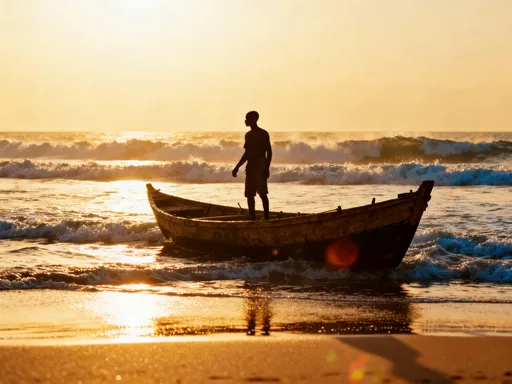
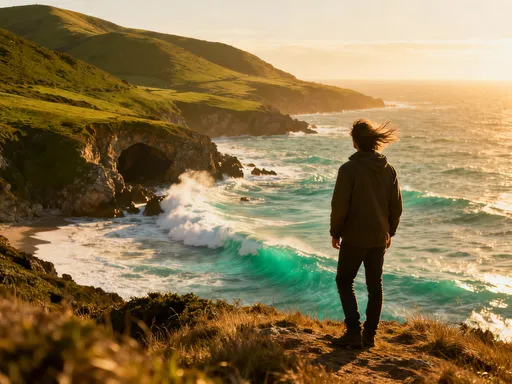
One of the most striking visual contrasts in Nouakchott is where the endless Sahara meets the powerful Atlantic Ocean. This meeting of desert and sea creates a dramatic and photogenic frontier unlike any other coastal capital in West Africa. Along the Corniche—the main coastal road that runs parallel to the ocean—photographers find an ever-changing tableau of light, motion, and human resilience. Here, the sea does not offer leisure but livelihood. The shoreline is lined with wooden pirogues, brightly painted fishing boats hauled onto the sand by teams of men working in unison. At dawn and dusk, these scenes come alive with activity, offering dynamic opportunities for action shots and environmental portraits.
The ocean itself is a subject of constant movement. Waves crash against makeshift stone breakwaters, sending up plumes of white spray that catch the early light. Seabirds—gulls, terns, and sandpipers—circle above, diving for fish or resting on exposed rocks. At low tide, vast stretches of wet sand are revealed, reflecting the sky like a mirror. This natural phenomenon is ideal for long-exposure photography, where a slow shutter speed transforms the rippling surface into a smooth, glassy plane. When combined with silhouettes of fishermen or distant dunes, these reflections create dreamlike compositions that blur the line between earth and sky.
Sunrise is perhaps the most magical time along the coast. As the first rays stretch across the water, the horizon blushes in soft pinks and pale oranges, colors that deepen as the sun climbs. Locals are often already at work—mending nets, preparing boats, or sorting the night’s catch—unaware of the visual spectacle unfolding behind them. This contrast between routine labor and natural beauty is one of the most poignant themes in Nouakchott photography. The fisherman focused on his knots becomes a figure of quiet heroism, framed by a sky on fire. These are not grand gestures but humble moments, elevated by light and perspective.
The interplay of wind, sand, and water also adds texture to every frame. Sand drifts across the beach, forming temporary dunes that shift with the breeze. On windy days, the air fills with a fine mist of sea spray and dust, softening edges and diffusing light into a hazy glow. This atmospheric quality can be used creatively, especially for portraits or wide shots where mood matters more than sharp detail. A polarizing filter helps manage glare from the water, while a tripod ensures stability during long exposures. For photographers willing to embrace the elements, the coastline offers not just scenery, but a living, breathing environment that responds to every change in light and weather.
Marché Capitale: A Burst of Color and Life
If the coast reveals Nouakchott’s soul, then Marché Capitale reveals its heartbeat. This sprawling marketplace is a sensory explosion—of color, sound, and movement—where daily commerce unfolds in vibrant detail. For photographers, it is a paradise of textures, patterns, and human expression. Stalls stretch in every direction, shaded by faded canvas tarps that filter the sun into dappled pools of light. Under this natural canopy, vendors display mountains of saffron, paprika, and cumin, their bright reds and yellows glowing like jewels. Bolts of fabric in bold geometric prints hang like banners, while hand-tooled leather bags and sandals are arranged with quiet pride.
The real magic lies in the faces and hands that bring the market to life. A vendor’s fingers move quickly, sorting dates into neat piles, while her eyes remain alert to passing customers. An elderly man sips mint tea from a small glass, his weathered face softened by a rare smile. These are the candid moments that define documentary photography—fleeting, authentic, and full of character. Close-up shots of hands, fabrics, or stacked goods reveal intricate patterns and tactile details that tell stories beyond words. The creases in a woman’s palm, the frayed edge of a basket, the sheen of olive oil in a clay bowl—all become visual metaphors for a life shaped by labor and tradition.
Lighting in the market is both a challenge and an opportunity. The patchy shade creates strong contrasts, with bright highlights and deep shadows. This can be managed by shooting in RAW format, allowing for greater flexibility in post-processing. Alternatively, photographers can embrace the contrast, using it to highlight specific subjects—such as a vendor’s face caught in a shaft of light, or a splash of color against a dark background. The key is to move slowly, observe carefully, and wait for the right moment. Unlike in more commercialized markets, there is no rush here. Time unfolds at its own pace, allowing for thoughtful composition and patient observation.
Respect is essential when photographing people in Marché Capitale. A smile, a nod, or a simple gesture asking permission often opens doors—and hearts. Many vendors are happy to be photographed, especially if they feel acknowledged and valued. Some may even pose naturally, adjusting their headscarf or straightening their stall with quiet pride. The goal is not to capture strangers, but to document connections. When done ethically, these images carry dignity and warmth, reflecting not just a place, but a people. Over time, a series of market photos can form a narrative—of resilience, of community, of the quiet beauty found in everyday exchange.
Beyond the City: The Desert Fringe and Green Spaces
Just beyond the city limits, the Sahara begins to rise. The transition from urban settlement to open desert is gradual but unmistakable. Paved roads give way to sandy tracks, and buildings thin out into isolated homes made of mud brick and corrugated metal. This fringe zone is one of the most photogenic areas around Nouakchott, offering minimalist compositions that emphasize form, light, and silence. Dunes roll in gentle waves, their contours sharpened by the low-angle sun during golden hour. Shadows stretch long across the sand, creating strong lines and dramatic contrasts that are ideal for black-and-white photography.
The interplay between sand and sparse vegetation tells a story of survival. Tough grasses and thorny acacia trees cling to life, their roots digging deep for moisture. These resilient plants become focal points in wide shots, standing as solitary figures against vast emptiness. Their silhouettes at sunset—twisted branches against a fiery sky—evoke a sense of endurance and quiet strength. For photographers interested in environmental storytelling, this landscape speaks volumes about adaptation and the delicate balance between human presence and natural forces.
Equally compelling are the unexpected green spaces within the city. The National Park, a reclaimed area on the outskirts, is a rare oasis of shade and biodiversity. Planted with rows of acacia and neem trees, it offers a refuge for birds, insects, and families seeking relief from the heat. Early morning visits reveal mist rising from the grass, dew clinging to leaves, and the soft calls of doves and warblers. These moments of tranquility contrast sharply with the bustle of the market or the roar of the ocean, reminding photographers that beauty in Nouakchott is not limited to grand vistas, but also found in stillness and renewal.
Drone photography, where permitted and used responsibly, can capture the scale of this ecological contrast. From above, the green patch of the park appears like an emerald island in a sea of sand and concrete. Similarly, aerial shots of the desert fringe reveal the intricate patterns of wind-shaped dunes and animal trails, patterns invisible from ground level. While drone use requires awareness of local regulations and privacy concerns, when done ethically, it adds a powerful dimension to visual storytelling—offering perspective, context, and awe.
Light and Timing: Mastering the Saharan Climate
Photography in Nouakchott is as much about timing as it is about technique. The Saharan climate dictates the rhythm of light, and understanding its patterns is essential for capturing the city’s true character. Midday sun is intense, casting harsh shadows and flattening textures. During these hours, colors can appear washed out, and contrast becomes difficult to manage. For this reason, the golden hours—just after sunrise and before sunset—are the most valuable for photographers. During these times, the sun sits low on the horizon, bathing the city in a warm, diffused glow that enhances depth and dimension.
The dry air of the region contributes to exceptional clarity. There is little humidity to scatter light, which means distant subjects remain sharp and colors stay true. However, this also means exposure must be carefully controlled. Highlights, especially on sand or white walls, can easily blow out if not monitored. Using a histogram and shooting in RAW format allows for greater recovery in post-processing. A neutral density filter can help balance exposure in high-contrast scenes, such as a dark figure against a bright sky.
Weather conditions, though generally predictable, can introduce unexpected opportunities. Dust storms—known locally as haboobs—roll in occasionally, transforming the atmosphere into a soft, dreamlike haze. While these events limit visibility, they also create moody, atmospheric images. Silhouettes become more pronounced, and colors take on a muted, ethereal quality. Portraits shot during these times often have a painterly feel, with soft edges and glowing halos around subjects. Overcast days, though rare, are equally precious. The cloud cover acts as a giant softbox, diffusing light evenly and eliminating harsh shadows—ideal for street photography and close-ups.
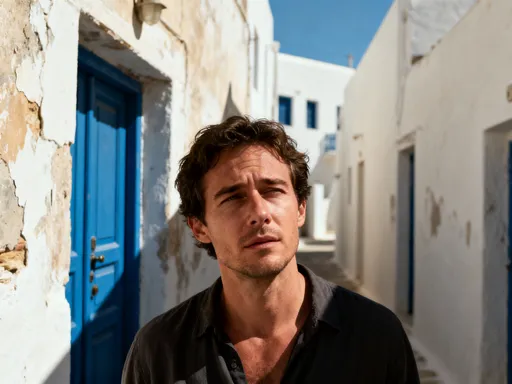
Understanding the cultural rhythm of the city also enhances timing. Prayer times, especially the midday call, create natural pauses in activity. Markets slow down, streets empty briefly, and a moment of stillness settles over the city. These quiet interludes offer rare opportunities to capture empty spaces—alleyways, courtyards, doorways—without crowds. Returning to the same location at different times of day reveals how light transforms even the most familiar scenes. A blue door that looks ordinary at noon becomes a radiant focal point at sunset, its color deepened by the warm glow. Mastery of light, therefore, is not just technical—it is deeply connected to patience, observation, and respect for the city’s natural and cultural cycles.
Cultural Sensitivity and Ethical Shooting
Photographing in Nouakchott requires more than technical skill—it demands empathy and awareness. This is not a city where cameras are commonplace, and many residents, especially older women and religious figures, may be hesitant about being photographed. Ethical photography means prioritizing consent and dignity over the perfect shot. A simple smile, a nod, or a gesture asking permission goes a long way. In many cases, speaking a few words in Arabic or Hassaniya—such as sama7 (excuse me) or afak (please)—can build trust and open doors. When people feel respected, they are more likely to engage, often offering genuine expressions rather than guarded ones.
It is especially important to avoid intrusive behavior. Zooming in from a distance or taking sneaky shots undermines trust and can cause offense. In a close-knit community, news travels fast, and a single negative interaction can affect how others perceive visitors. Instead, photographers should aim to connect—spending time in a market, sharing a cup of tea, or simply observing before lifting the camera. These small acts of presence often lead to more meaningful images than any forced portrait could achieve.
There are also practical boundaries to respect. Areas near government buildings, military installations, or border zones are typically off-limits for photography. While these restrictions may not always be clearly marked, it is wise to observe local behavior and follow the lead of residents. When in doubt, it is better to err on the side of caution. Additionally, sharing printed photos—when possible—can create lasting goodwill. Returning with a small print for a vendor or fisherman who allowed their image to be taken transforms the exchange from one-sided to reciprocal, reinforcing the idea that photography is not just about taking, but about giving back.
The goal is not merely to collect images, but to build understanding. Each photograph should reflect not just what was seen, but how it was experienced. When done with care, photography in Nouakchott becomes a bridge—a way to honor the quiet dignity of its people and the subtle beauty of its landscapes.
Final Frames: Why Nouakchott Stays With You
Nouakchott does not announce itself with fanfare. It does not dazzle with monuments or cater to the expectations of tourists. Instead, it reveals itself slowly, in quiet moments—a child’s bare feet on warm sand, the rhythmic sound of a loom in a weaving workshop, the echo of the call to prayer drifting over rooftops at dusk. These are the images that linger long after the memory of a landmark might fade. They are not perfect, but they are true. And in their imperfection lies their power.
For photographers, Nouakchott is a lesson in presence. It teaches the value of slowing down, of watching, of waiting for the light to shift just so. It challenges the instinct to seek the extraordinary and instead rewards those who appreciate the ordinary. A woman adjusting her veil in a sunlit doorway, a fisherman coiling a rope with practiced hands, a market stall dusted with saffron powder—these are not just subjects, but stories. Each frame carries the weight of a life lived with resilience and grace.
More than any single image, it is the cumulative effect that stays with you. The way the city feels—the warmth of the air, the scent of grilled fish and cumin, the sound of children laughing in a courtyard—translates into a deeper understanding of place. Your photographs become more than visual records; they become emotional imprints, carrying the soul of Nouakchott in every pixel.
In a world where so many destinations are curated for the camera, Nouakchott remains refreshingly unposed. It asks nothing of the photographer but attention. And in return, it offers something rare: authenticity. To photograph this city is not to capture perfection, but to witness presence. And that, perhaps, is the most powerful image of all.