Lost in the Amazon: Iquitos Unfiltered
You know what’s wild? A city completely cut off from the world by road, hidden deep in the Amazon. Iquitos, Peru, isn’t just remote—it’s a living, breathing riverside maze of color, sound, and soul. I went expecting jungle tours, but found something deeper: a cityscape shaped by water, resilience, and raw authenticity. This is real. This is unforgettable. Nestled in the heart of the largest rainforest on Earth, Iquitos stands as a testament to how human life adapts when geography writes the rules. With no roads leading in or out, this city of over 400,000 people survives and thrives through river currents and flight paths alone. It is not a forgotten place—it is a different kind of connected.
The Gateway to Nowhere (and Everywhere)
Iquitos is the largest city in the world that cannot be reached by road. Located more than 1,500 miles upstream from the Atlantic Ocean, it lies deep within the Loreto Region of northeastern Peru, surrounded on all sides by dense rainforest and a labyrinth of winding rivers. The Amazon River, the planet’s most voluminous waterway, flows beside it like a liquid highway, while tributaries such as the Nanay, Itaya, and Amazonas weave through its outskirts. To arrive here, one must fly into Francisco Secada Vignetta International Airport or take a multi-day boat journey along the river from distant towns like Pucallpa or even Colombia’s Leticia. There are no highways, no long stretches of asphalt cutting through the jungle to bring supplies or travelers. This isolation is not accidental—it is geographic destiny.
Because of its inaccessibility, Iquitos has developed a unique identity shaped by necessity and self-reliance. Unlike other Amazonian towns that have grown alongside roads or national infrastructure projects, Iquitos evolved in relative solitude. Its economy, culture, and daily rhythms reflect centuries of adaptation to a world without wheels. While most modern cities depend on trucking networks, fuel deliveries, and supply chains, Iquitos relies on boats, barges, and small aircraft. Fuel arrives in drums via river, food is grown locally or traded from upstream villages, and construction materials are floated in piece by piece. This reality fosters a strong sense of community and resourcefulness among residents, who have learned to make do with what the river brings.
Yet, this isolation also presents challenges. Prices for imported goods are significantly higher than in coastal cities like Lima. Medical supplies, electronics, and even basic household items can take weeks to arrive and cost double or triple their market value elsewhere. Despite these hurdles, Iquitos remains a vital hub for the Peruvian Amazon. It serves as an administrative center, a port for regional trade, and a gateway for scientific research and ecotourism. For many outsiders, it is the first real encounter with Amazonian urban life—a place where civilization meets wilderness not as conqueror and conquered, but as uneasy cohabitants.
Urban Jungle: The Rhythm of River Life
In Iquitos, the river is not just a feature of the landscape—it is the foundation of daily existence. Life unfolds along the banks, docks, and floating platforms that line the Amazon’s edge. At dawn, the city stirs with the hum of outboard motors and the rhythmic thud of wooden paddles against water. Fishermen return with nets full of tambaqui and paiche, vendors load crates of fruit onto narrow canoes, and children walk to school across swaying wooden planks suspended above the floodwaters. The river is transportation, supermarket, playground, and workplace—all in one.
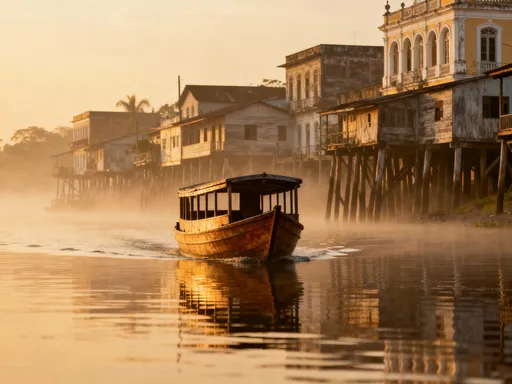
Nowhere is this more evident than in Belén, a sprawling neighborhood built entirely on stilts along the banks of the Itaya River. Known as the “Venice of the Amazon,” Belén floods seasonally, sometimes rising as much as 10 meters during the rainy months. Homes, shops, churches, and even schools are elevated on wooden or concrete pilings, connected by a network of floating walkways and boat lanes. During high water, residents move between buildings by canoe, tying their boats to second-story balconies. When the waters recede, muddy terrain is exposed, revealing discarded items, broken furniture, and remnants of daily life washed away by the tides.
Despite the challenges, Belén pulses with energy and resilience. Families have lived here for generations, adapting to the river’s cycles with remarkable ingenuity. Roofs double as drying racks, porches become market stalls, and boats serve as delivery trucks. Children learn to swim before they walk, and elders speak of flood levels like weather patterns—predictable, expected, part of life. The rhythm here is not dictated by clocks or calendars, but by the rise and fall of the water. It is a form of urbanism born not from planning, but from survival, and it offers a powerful lesson in how communities can thrive within nature’s limits.
Architecture of Adaptation
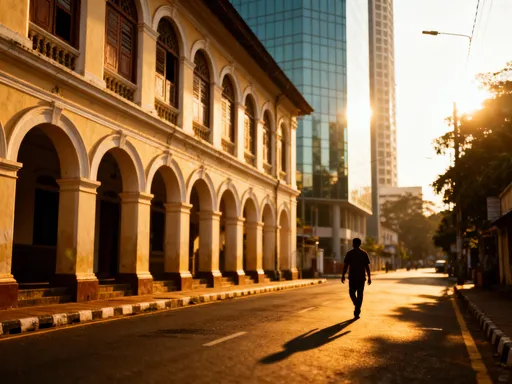
The buildings of Iquitos tell a story of improvisation, climate response, and cultural memory. In the historic center, colonial-era homes with ornate wooden facades and French-inspired balconies stand as remnants of the late 19th-century rubber boom. These structures, many over a century old, were built with tropical hardwoods like cedar and mahogany, raised slightly off the ground to allow airflow and protect against moisture. Their wide eaves, louvered windows, and high ceilings were designed to combat heat and humidity long before air conditioning existed.
Outside the downtown core, the architectural language shifts dramatically. On the city’s periphery, homes are constructed from whatever materials are available—scrap metal, salvaged wood, plastic sheeting, and cinder blocks. Many sit directly on the ground or on low foundations, vulnerable to flooding during heavy rains. In flood-prone areas like Belén, houses are built on tall stilts, often with multiple levels. The ground floor may be used for storage or animal pens during dry months but becomes submerged when the river rises. Upper floors contain living spaces, kitchens, and sleeping areas, accessible only by ladder or narrow staircases.
Roofing materials vary widely, with corrugated metal being the most common due to its durability and affordability. However, metal roofs absorb heat, making interiors extremely hot during the day, so many residents add layers of palm thatch or insulation made from recycled materials. Windows are often left uncovered or fitted with simple mosquito netting, allowing constant ventilation. There is little formal urban planning in these areas; neighborhoods grow organically as families expand and new migrants arrive from surrounding villages. Yet, within this apparent disorder, there is a logic—a deep understanding of how to live with heat, rain, and water.
This adaptive architecture reflects a broader philosophy: build not for permanence, but for function. Structures are meant to be repaired, rebuilt, or relocated as conditions change. This mindset stands in stark contrast to the rigid, concrete-based development seen in most modern cities. In Iquitos, flexibility is not a compromise—it is a survival strategy. And in a world increasingly facing climate change and extreme weather events, this kind of resilient design may offer valuable insights for future urban planning.
Heartbeat of the City: Markets and Movement
No visit to Iquitos is complete without stepping into its vibrant markets, where commerce, culture, and community converge. The Plaza de Armas, the city’s central square, is ringed by bustling market stalls selling everything from fresh produce to handmade crafts. But the true epicenter of trade lies in the Mercado de Belén, a sprawling riverside market that operates day and night. Here, the air is thick with the scent of grilled fish, ripe mangoes, and wood smoke. Vendors shout over the roar of motorboats unloading crates of yuca, plantains, and freshwater shrimp. Shoppers weave through narrow walkways, balancing baskets on their heads or pushing carts on wooden rollers.
The market functions as both a food distribution hub and a social space. Fishermen sell their catch directly from boats tied to floating docks. Women prepare *tacacho*—mashed plantain balls wrapped in banana leaves—and *juane*, a rice-and-meat parcel steamed in jungle leaves. Herbalists display bundles of medicinal plants used in traditional Amazonian healing practices. Every item has a story, every vendor a connection to the land or river. Cash is king, though barter still occurs between neighbors who know each other by name.
Movement within the market is entirely pedestrian or aquatic. There are no delivery trucks, no refrigerated warehouses. Goods arrive by boat in the early morning and are sold by midday. Perishables move quickly, driven by necessity and humidity. This informal economy sustains thousands of families and represents the backbone of Iquitos’ self-sufficiency. While it lacks the regulation and sanitation standards of formal markets, it operates with an internal logic honed over decades. Trust, reputation, and personal relationships matter more than receipts or contracts.
Beyond Belén, smaller markets dot the city, each serving its local community. In neighborhoods like San Juan and Fernando Lores, open-air plazas host weekly fairs where farmers from nearby villages sell organic fruits, root vegetables, and native herbs. These markets are not just economic engines—they are cultural anchors, preserving traditional knowledge and strengthening community ties. In a city disconnected from national supply chains, they ensure that food, medicine, and daily essentials remain accessible, even if imperfectly.
Hidden Layers: Culture in the City’s Cracks
Beneath the surface of everyday survival, Iquitos pulses with cultural richness. Music spills from open doorways—acoustic guitar melodies, the beat of cajón drums, the haunting call of the *pututu*, a spiral seashell trumpet used in indigenous ceremonies. On weekends, impromptu street performances bring neighbors together, while local bands play Amazonian folk songs fused with Andean and coastal influences. These sounds are not curated for tourists; they are the soundtrack of lived experience.
Festivals animate the city throughout the year. The Festival de la Amazonía, held annually in June, celebrates regional identity with parades, traditional dances, and culinary showcases. Participants wear elaborate costumes adorned with feathers, beads, and natural dyes, representing various indigenous groups such as the Bora, Yagua, and Ticuna. Religious processions blend Catholic traditions with indigenous spirituality, reflecting centuries of cultural fusion. During Holy Week, for example, residents reenact biblical scenes with Amazonian symbols—canoes stand in for donkeys, and palm fronds replace olive branches.
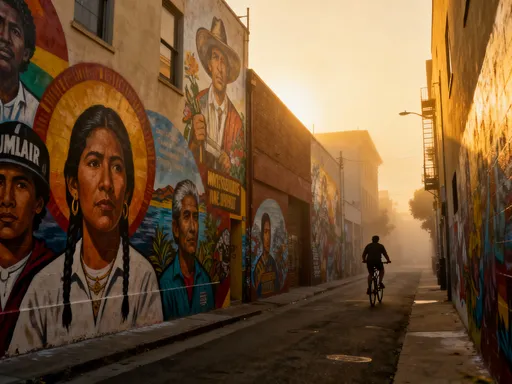
Public art also tells the story of Iquitos. Murals depicting jungle wildlife, ancestral spirits, and river deities adorn building walls, especially near schools and community centers. Sculptures made from reclaimed wood and river stones honor local legends and ecological guardians. These artistic expressions are not merely decorative—they serve as reminders of identity, resistance, and belonging in a rapidly changing world.
Indigenous presence is woven into the urban fabric. While many native communities live in remote villages, others have migrated to Iquitos in search of education, healthcare, or economic opportunity. They maintain strong cultural ties, organizing gatherings, language workshops, and craft cooperatives. Traditional medicine vendors line the streets, offering remedies made from *ayahuasca*, *uña de gato* (cat’s claw), and other medicinal plants. These practices are not relics of the past but living systems of knowledge that continue to heal and guide.
Challenges Beneath the Beauty
For all its beauty and resilience, Iquitos faces serious challenges. Infrastructure remains underdeveloped, particularly in informal settlements. Access to clean water and proper sanitation is limited, especially in Belén, where sewage often flows directly into the river during floods. Waste management is a persistent issue—plastic bags, discarded fishing nets, and household trash accumulate along shorelines and in drainage channels. While local initiatives promote recycling and clean-up campaigns, systemic solutions are hindered by limited funding and logistical constraints.
Healthcare access is another concern. The city has several hospitals and clinics, but they are often understaffed and lack specialized equipment. Residents in remote neighborhoods must travel long distances by boat to reach medical services. Preventable diseases such as dengue, malaria, and gastrointestinal infections remain prevalent, exacerbated by poor sanitation and stagnant water during the rainy season. Mental health resources are scarce, and addiction—particularly to alcohol and industrial solvents—is a growing problem in vulnerable communities.
Environmental pressures loom large. The river, once pristine, now carries visible pollution from upstream mining, agricultural runoff, and untreated urban waste. Deforestation at the edges of the city threatens biodiversity and increases the risk of landslides and erosion. Illegal logging and land clearing for agriculture continue despite government regulations. Climate change intensifies these threats, with more erratic rainfall patterns leading to both prolonged droughts and extreme flooding.
Yet, Iquitos is not passive in the face of these issues. Community organizations, environmental NGOs, and local leaders are working to implement sustainable solutions. Reforestation projects, river clean-ups, and eco-education programs engage citizens of all ages. Some neighborhoods have established composting systems and rainwater harvesting techniques. These grassroots efforts, though small in scale, reflect a deep commitment to protecting both people and planet.
Why Iquitos Matters: A Model of Resilience
Iquitos is more than a remote city in the Amazon. It is a living laboratory of human adaptability, a place where urban life has evolved in harmony—not dominance—over nature. Its people have learned to live with flooding, heat, and isolation not through technological domination, but through cooperation, improvisation, and deep ecological knowledge. In a world grappling with climate change, rising sea levels, and urban overcrowding, Iquitos offers a powerful alternative vision: cities that bend with nature rather than fight against it.
The city also reminds us of the value of cultural continuity. Amid globalization and digital saturation, Iquitos preserves traditions, languages, and ways of knowing that are rapidly disappearing elsewhere. Its markets, music, and medicine are not performances for outsiders—they are daily acts of resistance and remembrance. To understand Iquitos is to recognize that modernity does not have to mean homogenization.
For travelers, visiting Iquitos should not be about ticking off a jungle adventure. It should be an invitation to listen, learn, and reflect. Responsible tourism—guided by local voices, supporting community enterprises, respecting environmental limits—can help sustain this unique city without eroding its soul. Tourists can stay in locally owned lodges, hire indigenous guides, and purchase crafts directly from artisans. They can participate in conservation efforts, attend cultural events with permission, and avoid exploitative experiences.
Ultimately, Iquitos matters because it challenges our assumptions about what a city should be. It proves that connection does not require concrete. That progress does not demand destruction. That life can flourish not despite difficulty, but because of how we respond to it. In the heart of the Amazon, on stilts above the flood, a city rises—not above nature, but with it. And in that delicate balance lies a lesson for us all.