You Won’t Believe These Jaw-Dropping Dallas Landmarks Everyone’s Talking About
Dallas isn’t just about cowboy boots and barbecue—its skyline is exploding with architectural wonders that are going viral for all the right reasons. I never expected to be so blown away by steel, glass, and bold design, but these landmark buildings redefine urban cool. From futuristic towers to restored gems, Dallas blends history and innovation in ways you have to see to believe. This is more than a city tour—it’s a front-row seat to architectural magic. For families, travelers, and design lovers alike, Dallas offers a visual journey that’s both inspiring and deeply rooted in American spirit.
The Skyline That Changed Everything
Dallas has undergone a remarkable transformation over the past few decades, evolving from a regional business hub into a globally recognized city with a skyline that tells a story of ambition, resilience, and creativity. The city’s architectural evolution mirrors its economic growth, cultural diversity, and forward-thinking mindset. Once dominated by modest mid-rise buildings, today’s Dallas skyline features a dynamic mix of soaring skyscrapers, reimagined historic structures, and public spaces designed for connection and inspiration. This blend of old and new doesn’t just create visual interest—it reflects a city that honors its roots while confidently building the future.
Landmark buildings are more than just impressive facades; they serve as symbols of identity and progress. They attract visitors, inspire local pride, and often become the backdrop for life’s memorable moments—family photos, engagement pictures, or quiet reflections on a busy day. In Dallas, architecture plays a central role in shaping the urban experience. Structures like the Reunion Tower and Comerica Bank Tower are not only engineering feats but also cultural touchstones that define the city’s character. Their silhouettes are instantly recognizable, appearing on postcards, travel blogs, and social media feeds around the world.
What sets Dallas apart is its ability to balance scale with soul. While other cities may prioritize height or luxury, Dallas integrates accessibility and community into its architectural vision. Pedestrian-friendly plazas, public art installations, and green spaces surround many of its iconic buildings, inviting people to engage rather than simply observe. This human-centered approach makes the city’s landmarks feel welcoming, not intimidating. Whether you're walking through downtown or viewing the skyline from Klyde Warren Park, there’s a sense that these structures were built not just for business, but for life.
Reunion Tower: The Icon with a View
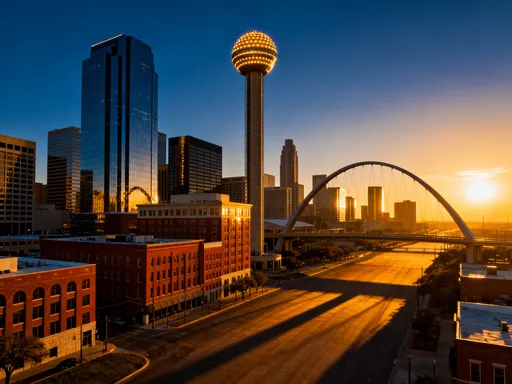
Standing tall in the heart of downtown, Reunion Tower is perhaps the most photographed landmark in Dallas. Its distinctive geodesic sphere perched atop a slender steel shaft makes it instantly recognizable, day or night. Completed in 1978, the tower was originally conceived as a symbol of Dallas’s emergence as a major metropolitan center. Today, it remains a beloved icon, drawing thousands of visitors each year who come to experience the panoramic views from its observation deck, known as the GeO-Deck.
From 470 feet above the ground, guests can see for miles in every direction. On a clear day, the view stretches across the Dallas-Fort Worth metroplex, offering a sweeping perspective of the city’s layout, surrounding suburbs, and distant horizons. The experience is especially magical at sunset, when the sky shifts through hues of gold, pink, and purple, casting a warm glow over the urban landscape. At night, the tower itself becomes part of the show—its spherical frame illuminated by hundreds of programmable LED lights that dance in synchronized patterns, creating dazzling light displays for holidays, special events, and even social media trends.
Reunion Tower has become a fixture in pop culture, appearing in films, television shows, and countless Instagram posts. Its futuristic appearance gives it a timeless quality, making it feel both nostalgic and cutting-edge. Families often plan visits here as part of a larger downtown itinerary, combining the tower with nearby attractions like the Sixth Floor Museum or the Dallas World Aquarium. For many, standing inside the glass-enclosed GeO-Deck and looking out over the city creates a sense of awe—a reminder of how small we are in the grand scheme, yet how much we can achieve together.
Photographers and influencers have embraced Reunion Tower as a must-capture subject. The best shots are often taken from the surrounding plaza, where reflections in puddles after rain add an artistic touch, or from nearby bridges that frame the tower against the night sky. The tower’s design, inspired by space-age optimism, continues to captivate new generations, proving that great architecture can endure far beyond its original purpose.
The Bank of America Plaza: Soaring Above the City
Rising 72 stories above downtown Dallas, the Bank of America Plaza holds the distinction of being the tallest building in Texas and one of the most striking examples of Art Deco-inspired skyscraper design in the American South. Completed in 1985, this gleaming blue-tinted tower dominates the northern end of the skyline, its reflective glass surface shimmering in the Texas sun. At night, it’s often lit in thematic colors to support local causes, holidays, or sports team victories, further embedding it into the city’s cultural rhythm.
The building’s design pays homage to the grand skyscrapers of the early 20th century, with vertical lines that emphasize height and a tiered crown that adds elegance to its silhouette. Yet it’s also a product of modern engineering, featuring advanced structural systems that allow it to withstand high winds and seismic activity. Over the years, the tower has undergone sustainability upgrades, including energy-efficient lighting, water conservation systems, and improved insulation, aligning with Dallas’s growing commitment to environmental responsibility in urban development.
While the interior is primarily occupied by corporate offices, the plaza at its base has been thoughtfully designed to serve the public. Wide walkways, shaded seating areas, and seasonal floral displays create a pleasant environment for workers on lunch breaks or families exploring the neighborhood. The area around the Bank of America Plaza connects seamlessly with other downtown districts, making it a natural part of the city’s pedestrian network. It’s not uncommon to see people pausing here to take photos, enjoy a coffee, or simply pause and appreciate the scale of human achievement embodied in the structure above.
For architecture enthusiasts, the Bank of America Plaza represents a bridge between eras—honoring the aesthetics of the past while embracing the technologies of the present. Its presence reminds us that even functional office towers can contribute beauty and meaning to a cityscape. As Dallas continues to grow, buildings like this set a standard for how skyscrapers can be both powerful and graceful, efficient and inspiring.
Thanks-Giving Square: Where Design Meets Reflection
Amid the energy of downtown Dallas lies a quiet sanctuary that invites pause, contemplation, and gratitude—Thanks-Giving Square. This 2.5-acre public space is centered around the Chapel of Thanksgiving, a striking spiral-shaped structure that symbolizes the coming together of people, faiths, and traditions. Unlike many of the city’s more dramatic landmarks, this site doesn’t shout for attention. Instead, it offers a gentle, profound presence that resonates deeply with those who take the time to visit.
The spiral design of the chapel is both architectural and symbolic. It represents unity, continuity, and the journey toward understanding. As visitors walk along the curved path that leads into the chapel, they move inward—both physically and spiritually—away from the noise of the city and toward a space of stillness. Inside, natural light filters through stained glass, casting colorful patterns on the stone floor. The atmosphere is serene, respectful, and inclusive, welcoming people of all backgrounds to reflect in their own way.
Outside, the square features water features, native plants, and thoughtful landscaping that change with the seasons. Benches are strategically placed for quiet conversation or solitary thought. Families often bring children here to teach them about gratitude, while tourists appreciate the contrast it offers to the surrounding urban intensity. The site hosts occasional interfaith gatherings, educational programs, and community events, reinforcing its role as a living space for connection and learning.
Thanks-Giving Square is a powerful example of how architecture can serve higher purposes beyond commerce or spectacle. In a world that often feels rushed and divided, this landmark stands as a quiet reminder of shared values and common humanity. It’s not the kind of place that goes viral overnight, but for those who discover it, it often becomes a cherished memory—a moment of peace in the middle of a busy trip, a lesson passed from parent to child, or a personal realization that gratitude can be built into the spaces we inhabit.
The Margaret Hunt Hill Bridge: Beauty in Infrastructure
Bridges are often seen as purely functional—meant to move traffic from one side of a river to the other. But in Dallas, the Margaret Hunt Hill Bridge proves that infrastructure can also be art. Designed by internationally renowned architect Santiago Calatrava, this elegant white arch bridge spans the Trinity River with a grace that belies its size and purpose. Its single, sweeping cable-stayed arch rises over 400 feet, creating a dramatic silhouette that has become one of the most photographed features in the city.
Completed in 2012, the bridge was part of a larger effort to reconnect downtown Dallas with neighborhoods to the west, improving transportation while enhancing the city’s aesthetic appeal. What sets it apart is not just its engineering excellence, but its emotional impact. The arch resembles a harp or a sail, evoking movement and aspiration. At night, the bridge is illuminated with subtle lighting that highlights its curves, making it a glowing centerpiece in the city’s evening landscape.
For locals, the bridge has become more than a route to work—it’s a symbol of progress and unity. It links communities that were once separated by physical and economic divides, facilitating access to jobs, schools, and cultural venues. For visitors, it offers one of the best vantage points for photographing the Dallas skyline, especially at golden hour when the sun sets behind the arch, creating a breathtaking frame for the city beyond.
Pedestrian walkways on both sides of the bridge allow people to cross on foot or by bike, turning a simple commute into an experience. Families enjoy walking across at dusk, pausing to take pictures or point out landmarks. Runners and cyclists include the bridge in their routes, appreciating the open views and fresh air. The surrounding Trinity River Corridor is being developed with parks, trails, and recreational facilities, ensuring that this area will continue to grow as a destination for healthy, outdoor living.
Perot Museum of Nature and Science: A Building That Teaches
If architecture can express a building’s purpose, then the Perot Museum of Nature and Science in Dallas is a masterclass in design with meaning. Its bold, modern structure—a 45-degree cantilevered cube resting on a natural limestone base—looks like a futuristic puzzle piece dropped into the urban landscape. Designed by renowned architect Thom Mayne, the building is as educational as the exhibits inside, inviting curiosity before visitors even step through the doors.
The museum’s form follows function in the most literal sense. The elevated cube symbolizes the idea of lifting knowledge above the earth, while the stone base represents the foundation of science—geology, fossils, and the natural world. A granite ramp spirals up the side of the building, leading guests from the ground to the entrance, creating a physical journey that mirrors the intellectual ascent the museum promises. This ramp is not just symbolic; it’s accessible, inclusive, and fully integrated into the visitor experience.
Outside, the museum features a landscaped plaza with interactive water features, native plants, and outdoor exhibits that encourage exploration. The building itself incorporates sustainable design elements, including a rainwater collection system, solar shading, and energy-efficient materials. These features align with the museum’s mission to promote environmental stewardship and scientific literacy, proving that green design can be both practical and visually compelling.
Inside, the Perot Museum offers hands-on exhibits on dinosaurs, space, technology, and the human body, making it a favorite destination for families and school groups. But even those who don’t go inside find themselves drawn to the architecture. The stark geometric shape, the contrast of materials, and the building’s prominent location near downtown make it a standout in the cityscape. It’s not uncommon to see photographers capturing its angular form against the sky, or children imagining it as a spaceship or fortress.
The Perot Museum exemplifies how public institutions can use architecture to inspire wonder and learning. It’s a place where design and education are inseparable, where every element—from the ramp to the rooftop garden—tells a story. For parents bringing their children here, it’s more than a day out; it’s the beginning of a lifelong curiosity about the world.
Preservation & Innovation: How Dallas Balances Old and New
What truly sets Dallas apart is its ability to honor the past while embracing the future. Amid the rise of sleek glass towers and avant-garde designs, the city has made a concerted effort to preserve its historic buildings, adapting them for modern use without losing their character. This balance between preservation and innovation is evident in structures like the Magnolia Building, a 1922 landmark that once housed the Magnolia Petroleum Company. With its ornate terra-cotta façade and classical detailing, the building stands in striking contrast to the skyscrapers around it, yet it feels perfectly at home.
Today, the Magnolia Building has been thoughtfully restored and repurposed, housing offices, retail spaces, and event venues. Its lobby, with marble columns and intricate ceiling work, has been meticulously maintained, offering visitors a glimpse into early 20th-century elegance. Adaptive reuse projects like this not only save architectural treasures from demolition but also reduce environmental impact by recycling existing structures. They give old buildings new life, allowing them to contribute to the city’s economy and culture in fresh ways.
Dallas’s approach to urban development reflects a deep respect for continuity. New constructions are often designed to complement, rather than overshadow, their historic neighbors. Zoning policies, preservation guidelines, and community input help ensure that growth happens responsibly. The result is a skyline that tells a layered story—one of boom times and quiet resilience, of change and tradition coexisting.
For families exploring the city, this blend of old and new offers rich opportunities for conversation and connection. Parents can point out architectural details to their children, share stories about how cities evolve, or reflect on what it means to preserve memories in brick and stone. Landmarks become more than just sights; they become teachers, storytellers, and keepers of identity.
In the end, Dallas’s most jaw-dropping landmarks are not just about height, design, or fame. They are about people—how we live, remember, dream, and come together. They shape the way we see the city and, in turn, how we see ourselves. Whether lit up at night, reflected in a river, or standing proudly against the Texas sky, these structures invite us to look up, slow down, and appreciate the beauty of human creativity. And in a world that moves faster every day, that’s a gift worth sharing.