You Won’t Believe These Secret Natural Escapes Just Outside Portland
Portland is more than coffee and craft beer—it’s a gateway to breathtaking nature hiding in plain sight. I’ve explored trails, waterfalls, and forests just minutes from the city that most visitors never hear about. These spots offer peace, stunning views, and that deep connection with the wild we all crave. If you're looking to escape the crowds and experience the real Pacific Northwest, this is where you need to go. While many tourists flock to well-known attractions, a quieter, more intimate world of natural beauty awaits those willing to step slightly off the map. These hidden escapes aren’t just scenic—they’re soul-nourishing, offering calm, clarity, and a renewed sense of wonder without requiring a long drive or expensive gear. In a world that moves too fast, these places invite you to slow down, breathe deeply, and remember what it means to be truly present.
Why Portland’s Hidden Nature Stands Out
Portland’s geographic position is nothing short of extraordinary. Nestled between the Cascade Mountains to the east and the Coast Range to the west, with the Willamette and Columbia Rivers carving through its edges, the city sits at a natural crossroads of ecosystems. This unique placement means that within a 30- to 60-minute drive in any direction, you can find yourself immersed in old-growth forests, alpine meadows, rushing rivers, or serene wetlands. Unlike many major cities where nature feels distant or fragmented, Portland maintains a seamless relationship with the wild. This proximity is not just convenient—it’s transformative. Residents and visitors alike can access untouched landscapes without enduring long road trips or complicated logistics.
What sets these natural escapes apart is their ability to feel remote despite their accessibility. A short drive from downtown can lead you to trails where the only sounds are rustling leaves and distant bird calls. These areas offer a rare blend of convenience and solitude, making them ideal for busy individuals—especially women managing households and careers—who seek restorative moments without extensive planning. The growing interest in low-impact, sustainable recreation has further elevated the appeal of these lesser-known spots. Rather than chasing Instagram-famous locations, more people are seeking authentic experiences that honor the environment and provide genuine peace.
Additionally, these hidden destinations often avoid the wear and tear associated with high-traffic tourism. Trails remain well-preserved, waterways stay clean, and wildlife continues to thrive because they are visited by only a fraction of the number of people who crowd the popular parks. This balance between accessibility and preservation makes Portland’s secret natural escapes not just beautiful, but also ecologically responsible choices for outdoor enthusiasts. As urban life grows increasingly demanding, the value of nearby, uncrowded nature becomes clearer. These spaces aren’t just escapes—they’re essential refuges for mental clarity, physical health, and emotional balance.
Forest Magic: Discovering Hidden Trails Near Mount Tabor and Powell Butte
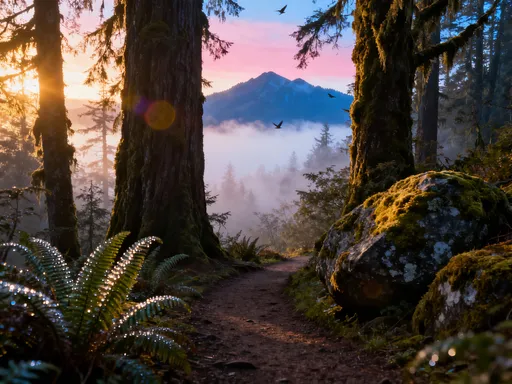
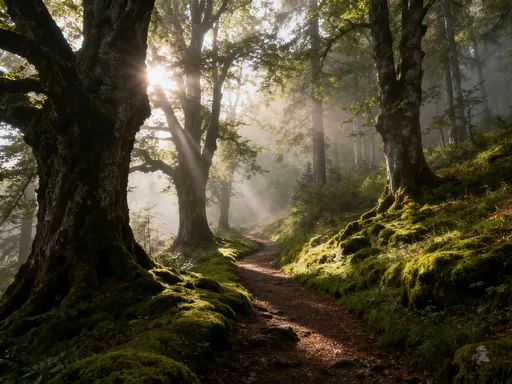
Within Portland’s city limits lie two quiet sanctuaries that offer the feeling of deep forest immersion without requiring a single highway exit: Mount Tabor and Powell Butte Nature Park. While Mount Tabor is known for its reservoirs and open lawns, few realize that tucked along its eastern flank are shaded pathways blanketed in moss and ferns, where towering Douglas firs create a cathedral-like canopy. These trails, though technically urban, feel worlds away from traffic and noise. The air is cooler, the light softer, and the pace of life slows with every step. Early morning visits reveal dew clinging to spiderwebs and the occasional deer slipping between trees—moments of quiet magic that remind you how close wonder can be.
Powell Butte, located in Southeast Portland, is even more underrated. Once a volcanic cinder cone, it now hosts a network of trails winding through native woodlands and meadow clearings. The park’s elevation provides panoramic views of Mount Hood on clear days, yet the trails below remain shaded and secluded. One lesser-known loop, the Powell Butte Ridge Trail, circles the crater’s interior and is often empty even on weekends. Here, hikers pass through groves of bigleaf maple draped in moss, cross small wooden footbridges over seasonal streams, and encounter wildflowers like trillium and bleeding heart in spring. These sensory details—the scent of damp earth, the sound of wind through leaves—create a restorative experience that feels both grounding and uplifting.
To make the most of these urban forests, timing is key. Visiting on weekday mornings ensures near-total solitude, allowing for uninterrupted reflection or mindful walking. Early spring and late fall are ideal seasons, when temperatures are mild and foliage is at its most vibrant or quietly decaying. Even during summer, the tree cover keeps these trails comfortably cool. Families can enjoy short, stroller-friendly paths, while more experienced walkers can extend their route with connecting trails. Both parks offer restrooms and parking, making them accessible without sacrificing serenity. For women balancing caregiving, work, and personal well-being, these nearby trails offer a rare gift: the ability to reconnect with nature in under two hours, without needing a full day off or elaborate preparations.
Water Wonders: Secret Cascades Along the Historic Columbia River Highway
While Multnomah Falls draws thousands daily, just a short distance away lie waterfalls that offer equal beauty with a fraction of the crowds. The Historic Columbia River Highway, one of America’s first scenic roads, is lined with hidden gems that showcase the region’s dramatic geology and lush vegetation. Wahclella Falls, accessed via a moderate 1.8-mile loop trail in Tanner Creek Canyon, is a prime example. The path follows a rushing creek, passes through a narrow basalt tunnel, and opens onto a stunning two-tiered waterfall surrounded by mossy cliffs. The sound of falling water fills the air, creating a meditative atmosphere perfect for quiet contemplation. Because the trail requires a modest hike and isn’t visible from the road, it remains far less visited than its famous neighbor.
Another under-the-radar destination is the trail to Angel’s Rest, which, while known to some, is often overlooked in favor of easier viewpoints. The 3.4-mile round-trip climb rewards hikers with sweeping vistas of the Columbia River Gorge, where layers of green forest stretch endlessly toward the horizon. Unlike crowded overlooks, this summit feels intimate and personal, especially during weekday visits. The trail itself winds through dense forest, crosses wooden bridges, and passes seasonal waterfalls after heavy rains. Spring and early summer are the best times to visit, when snowmelt feeds the cascades and wildflowers bloom along the path. Autumn brings golden foliage, and even winter—on clear days—offers crisp air and dramatic cloud formations over the river.
Safety is important when exploring these areas. Trails can be slippery, especially near waterfalls where mist keeps rocks wet. Sturdy footwear with good traction is essential, and caution should be taken near edges. While these spots are generally safe and well-marked, they are not as heavily monitored as major attractions, so it’s wise to hike with a companion, carry water, and inform someone of your plans. Families with older children will appreciate the sense of adventure these trails provide, while solo hikers can find a rare opportunity for solitude and introspection. These waterfalls aren’t just scenic—they’re sanctuaries, offering a chance to pause, listen, and reconnect with the rhythms of the natural world.
Lakes and Lowlands: Peaceful Retreats at Blue Lake and Smith and Bybee Wetlands
For those seeking calm waters and gentle landscapes, Blue Lake Regional Park and the Smith and Bybee Wetlands Natural Area offer serene alternatives to busier lakes. Blue Lake, located in Fairview just east of Portland, has undergone a remarkable transformation. Once affected by industrial use, it has been restored through community-led conservation efforts and now boasts clear waters, native fish populations, and a thriving ecosystem. The park features a paved 1.2-mile loop trail perfect for walking, jogging, or stroller rides. Benches along the shore invite quiet reflection, and interpretive signs educate visitors about local wildlife, including turtles, frogs, and migratory birds. The lake’s gentle surface often mirrors the sky, creating a sense of stillness that feels deeply healing.
Just a short drive west, in North Portland, lies the Smith and Bybee Wetlands—Portland’s largest freshwater marsh and a vital habitat for over 150 species of birds. Despite its urban location, this 600-acre preserve feels remote and untouched. A 1.3-mile elevated boardwalk winds through cattails and wet meadows, offering unobstructed views of herons, kingfishers, and even the occasional bald eagle. The air here is rich with the scent of wet earth and reeds, and the only sounds are bird calls and the soft lap of water. This wetland is especially peaceful in the early morning, when fog drifts across the marsh and the world feels hushed and sacred. It’s an ideal place for mindful walking, journaling, or simply sitting in silence.
Both locations are highly accessible. Blue Lake offers restrooms, picnic areas, and a small playground, making it family-friendly. Smith and Bybee, while more rustic, has ample parking and clear signage. Neither requires an entrance fee, and both welcome leashed pets, allowing women to bring their dogs along for companionship and light exercise. These spaces are particularly valuable for those who may not feel comfortable on rugged trails but still crave nature’s calming effects. The presence of other visitors is usually sparse, allowing for personal space and quiet connection. In a world filled with constant stimulation, these lowland retreats offer a different kind of beauty—one rooted in stillness, resilience, and quiet renewal.
Beyond the City: Underrated Day Trips to the Gorge and Coast Range
For those ready to venture a bit farther, the Columbia River Gorge and the Coast Range hide trails that deliver big rewards with minimal crowds. One such gem is the Moffett Creek Trail, a lesser-known entry point into the Gorge’s western section. This 4.5-mile out-and-back trail follows a babbling creek through a lush forest of cedar and hemlock, culminating in a peaceful waterfall and swimming hole. Unlike more popular hikes, Moffett Creek sees few visitors, even on weekends, likely due to its unmarked trailhead and limited parking. But for those who find it, the experience is pure serenity. The path is well-maintained but feels wild, with roots and stones underfoot and dappled sunlight above. It’s an ideal hike for those seeking both physical activity and mental refreshment.
In the Coast Range, trails like the Little Zigzag Falls Loop near Rhododendron offer panoramic views without the congestion of Mount Hood’s main corridors. The drive takes about an hour from Portland, winding through forested roads that open into high-elevation meadows. From the trailhead, a moderate 2.5-mile loop leads through old-growth forest and across wooden bridges, ending at a cascading waterfall framed by wildflowers in summer. On clear days, Mount Hood looms in the distance, its snow-covered peak glowing in the sunlight. These higher-elevation hikes provide cooler temperatures in summer and a sense of elevation—both literal and emotional. The air is crisp, the views expansive, and the solitude palpable.
When planning these day trips, preparation is key. Parking can be limited, so arriving early ensures a spot. Road conditions vary, especially in winter, so checking weather and road reports is advisable. Packing essentials—water, snacks, layers, and a trail map—is non-negotiable. While cell service may be spotty, these areas are safe and well-traveled by locals. For women traveling alone or with children, choosing weekday visits enhances both safety and peace. These destinations remind us that adventure doesn’t require faraway destinations or extreme challenges. Sometimes, the most meaningful journeys are the quiet ones, taken on overlooked trails that lead to unexpected beauty.
How to Visit Responsibly and Sustainably
As more people discover these hidden escapes, the need for responsible visitation grows. The Leave No Trace principles are not just guidelines—they are essential practices for protecting fragile ecosystems. These include packing out all trash, staying on designated trails to prevent soil erosion, and avoiding picking plants or disturbing wildlife. Many of these areas are home to native species that depend on undisturbed habitats, and even small disruptions can have long-term effects. By treading lightly, visitors help ensure these places remain beautiful and accessible for future generations.
Another critical aspect of sustainable travel is respecting private land boundaries. Some trails pass near residential areas or private properties, and it’s important to stay on public paths and avoid trespassing. Additionally, keeping dogs leashed protects wildlife and ensures a pleasant experience for others. Supporting local conservation efforts—such as volunteering with trail maintenance groups or donating to regional land trusts—further contributes to preservation. These actions may seem small, but collectively, they make a significant difference.
Finally, mindfulness in sharing locations matters. While it’s natural to want to share beautiful places, oversharing on social media can lead to overcrowding and environmental damage. Instead of tagging exact coordinates, consider sharing general regions or encouraging others to explore through official park websites and local guides. This helps balance discovery with protection. Visiting these spaces with care is not just a responsibility—it’s a form of respect, both for nature and for the communities that steward it. When we honor these places, we deepen our connection to them and ensure they remain sanctuaries for all.
Putting It All Together: Crafting Your Own Secret Nature Adventure
With so many options available, it’s possible to design a personalized nature adventure that fits your schedule, fitness level, and emotional needs. A full-day itinerary might begin with a morning walk at Smith and Bybee Wetlands, followed by a picnic at Blue Lake, and end with an afternoon hike at Wahclella Falls. For a weekend getaway, combining a stay in a quiet mountain cabin with a visit to the Coast Range trails offers both comfort and immersion. The key is intentionality—choosing destinations not for their popularity, but for how they make you feel.
Useful tools can enhance your planning. Apps like AllTrails and Gaia GPS provide trail maps, user reviews, and real-time conditions, helping you make informed choices. Local outdoor clubs and community boards often share updates on trail closures or best times to visit. These resources empower you to explore safely and confidently. For women managing busy lives, even a half-day trip can be transformative. Packing a simple lunch, grabbing a good book, and spending a few hours by a quiet lake or forest stream can reset your mood and energy in profound ways.
Ultimately, stepping off the beaten path is more than a physical journey—it’s a quiet rebellion against the pace of modern life. In choosing lesser-known trails, we reclaim our time, our peace, and our connection to the earth. These hidden escapes remind us that beauty doesn’t need to be famous to be meaningful. It doesn’t require crowds, captions, or conquest. It simply asks for presence, curiosity, and care. In returning to nature, we return to ourselves. And in protecting these quiet places, we protect a part of our own well-being. So lace up your shoes, take the less-traveled road, and discover the secret natural escapes that have been waiting for you all along.
Revisiting the idea that true natural beauty doesn’t require fame or Instagram fame—just curiosity and care. Encouragement to step off the beaten path, explore mindfully, and carry forward a deeper appreciation for the wild places close to home.