You Won’t Believe How Alive San Juan’s Culture Feels at Sunset
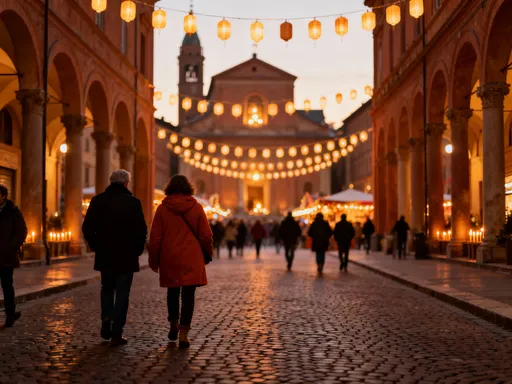
Walking through Old San Juan as the sun dips below the Caribbean Sea, I felt it—the city breathes music, color, and centuries of stories. This isn’t just a vacation; it’s a cultural heartbeat you can’t ignore. From salsa rhythms spilling onto cobblestone streets to artisans shaping traditions by hand, every moment here is alive. The warm breeze carries laughter from open-air plazas, the scent of fried plantains mixes with sea salt, and every corner reveals a new layer of history painted in bright pastels. If you want real connection, not just sightseeing, San Juan delivers in ways you never expected. It’s a place where the past doesn’t live behind glass—it dances in the streets, sings from balconies, and welcomes you into its rhythm.
The First Step Into Old San Juan – A City That Never Forgets Its Roots
Arriving in Old San Juan is like stepping into a living postcard, one that pulses with energy and history. The first thing that strikes visitors is the shimmering blue of the adoquine cobblestones beneath their feet—originally ballast stones from Spanish ships, now polished smooth by centuries of footsteps. These stones, unique to this part of Puerto Rico, echo with every step, a subtle reminder of the island’s colonial past. Surrounding them are buildings painted in vibrant hues of coral, sunflower yellow, and seafoam green, their colonial architecture preserved with care. Iron balconies overflow with red bougainvillea, and church steeples rise above narrow streets, marking time with chimes that have rung for generations.
What makes Old San Juan extraordinary is not just its beauty, but its authenticity. This is not a reconstructed theme park or a tourist-only zone. It’s a fully functioning neighborhood where life unfolds naturally. Children walk home from school, shopkeepers sweep their storefronts, and neighbors exchange greetings in rapid Spanish. The city’s history is not frozen in time—it’s woven into daily life. The forts of El Morro and San Cristóbal, both UNESCO World Heritage Sites, stand as monuments to the past, but so do the corner bakeries and family-run pharmacies that have operated for decades. The past isn’t displayed; it’s lived.
Walking is the only way to truly absorb the soul of this city. There are no cars rushing through the narrow lanes, allowing space for conversation, observation, and serendipity. You might pause at the Cathedral of San Juan Bautista, where Ponce de León is buried, or stand in the Plaza de Armas, once a military parade ground and now a gathering place for families and street performers. The rhythm of the city reveals itself slowly—a man tuning a guitar on a bench, a woman hanging laundry from a second-floor window, the distant clang of a church bell marking the hour. Each moment adds to the sense that you’re not just visiting history—you’re walking within it.
Morning With the Locals – Coffee, Conversation, and Cultural Rhythm
There’s a quiet magic in a San Juan morning, especially in the neighborhoods just beyond the main tourist paths. Near Plaza Colón, tucked between colorful buildings, you’ll find small cafés where the day begins not with hurried sips of takeout coffee, but with leisurely conversation over steaming cups of *café con leche*. The aroma of freshly ground beans mingles with the scent of fried dough from nearby vendors selling *pastelillos*—crispy turnovers filled with meat, cheese, or vegetables. This is where the city’s cultural rhythm truly begins: not in grand performances, but in the unhurried rituals of daily life.
Sitting at a corner table, you’ll notice how people greet each other by name. The barista knows her regulars. The man reading the newspaper nods to the woman buying empanadas. There’s a sense of community that doesn’t exclude newcomers—it simply invites them to slow down and join. Ordering a drink isn’t a transaction; it’s an interaction. When you ask for *un café, por favor*, the server might smile and reply, *¿Con leche o negro?*—with milk or black?—and the simple exchange becomes a small bridge between worlds.
Starting the day like a local transforms the travel experience. Instead of rushing to check off landmarks, you begin to notice subtleties—the way elders sit on benches in the shade, the laughter of children playing dominoes in a doorway, the soft hum of reggaeton drifting from an open window. These moments aren’t staged for visitors; they’re genuine expressions of Puerto Rican life. By participating in them, even in small ways—ordering food, asking for directions, sharing a smile—you shift from observer to participant. And that shift changes everything. You’re no longer just seeing the culture; you’re feeling it in your bones.
Art That Speaks: Murals, Craftsmen, and the Soul of the Island
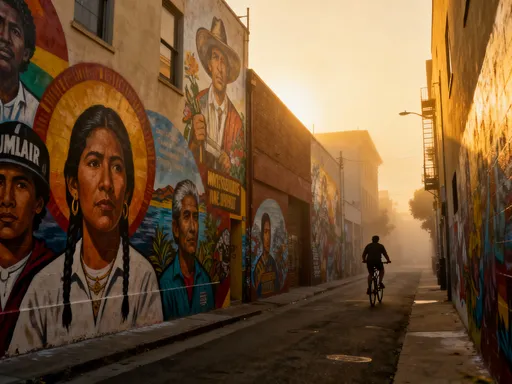
San Juan’s artistic spirit isn’t confined to galleries or museums. It spills onto the streets, where every wall tells a story. In neighborhoods like La Perla, a vibrant community clinging to the northern cliffs of Old San Juan, murals rise in bold colors and powerful imagery. These are not random graffiti—they are declarations of identity, resilience, and pride. One mural might depict a Taíno ancestor gazing over the sea; another honors the *jíbaro*, the rural farmer who symbolizes Puerto Rican resilience. Artists use their work to celebrate heritage, mourn losses, and imagine futures. Each brushstroke carries meaning.
Equally powerful are the artisans keeping traditional crafts alive. In Santurce, a neighborhood known for its creative energy, small workshops hum with activity. Here, you might find a *maskero* shaping a *vejigante* mask from papier-mâché. These masks, used in festivals like the Carnaval de Ponce, are more than costumes—they’re symbols of cultural resistance and spiritual protection. The horns, exaggerated features, and bright colors are rooted in African, Taíno, and Spanish influences, reflecting the island’s complex history. Watching an artist paint the intricate patterns, you sense the weight of tradition in every line.
Elsewhere, a musician tunes a *cuatro*, the four-stringed instrument that is the heart of Puerto Rican *música jíbara*. The sound is warm and resonant, capable of expressing both joy and sorrow. In a small studio, a teacher passes the skill to a young student, fingers guiding fingers over the strings. These moments aren’t performances for tourists—they’re acts of preservation. The smell of wood shavings, the sound of a hammer shaping metal, the pride in an elder’s voice as they explain a technique—these are the true markers of a living culture. When you witness them, you realize that art in San Juan isn’t something you buy or photograph. It’s something you respect, learn from, and carry with you.
Dance Is the Language: Finding the Beat in a Salsa Circle
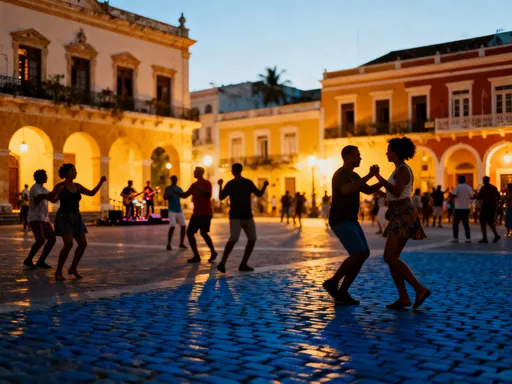
One evening in Plaza de Armas, as twilight settled over the city, a small group gathered near a portable speaker. A man adjusted the volume, and suddenly, the air filled with the driving rhythm of salsa. Within moments, couples began to move—feet gliding, hips swaying, hands clasping in practiced synchrony. It wasn’t a show. It was a ritual. And then, someone smiled at me and gestured to join. With a mix of nervousness and excitement, I stepped into the circle.
No one judged my clumsy steps. Instead, a woman gently guided my hands, showing me the basic step—forward, back, side, side. *Así nomás*, she said. Just like that. The music wasn’t just background noise; it was a language. The drumbeat was a heartbeat. The call-and-response of the horns was a conversation. Within minutes, I wasn’t thinking about my feet anymore. I was feeling the rhythm, laughing at my mistakes, and connecting with strangers through movement.
This is the heart of Puerto Rican culture: music and dance as expressions of identity and joy. Salsa, bomba, plena—these aren’t just genres. They’re living traditions passed down through generations. Bomba, with its African roots, allows the dancer to lead the drummer, creating a dynamic dialogue between movement and sound. Plena, often called *el periódico cantado* (the sung newspaper), tells stories of daily life, struggles, and celebrations. These forms thrive in community spaces, not just on stage. You’ll find them at block parties, family gatherings, and festivals like the Fiestas de la Calle San Sebastián, where the entire city becomes a dance floor.
For travelers, the invitation to dance is more than entertainment—it’s an act of inclusion. You don’t need to be skilled. You just need to be willing. The best moments happen when the music starts, the crowd forms a circle, and someone says, *¡Baila!* Dance! Whether it’s in a plaza, a backyard, or a beachside kiosk, these spontaneous gatherings remind us that culture isn’t something you watch. It’s something you do. And in San Juan, the dance floor is always open.
Taste of Tradition: From Mofongo to Family Recipes Passed Down Generations
One rainy afternoon, I followed the scent of garlic and fried plantains down a side street in Santurce, where a small *fondita*—a family-run eatery—glowed with warm light. Inside, a grandmother moved between the kitchen and tables, serving plates piled high with mofongo, a dish that tastes like the soul of the island. Made from green plantains mashed with garlic, pork cracklings, and olive oil, then shaped into a dome, mofongo is often served with shrimp in a rich tomato sauce or chicken stew. Each bite is a harmony of textures and flavors—crispy outside, soft inside, savory and slightly sweet.
But more than the taste, it was the story behind the dish that moved me. The grandmother, Doña Elena, sat for a moment and explained how her mother taught her to make mofongo during power outages, using a wood stove and a wooden mortar called a *pilón*. The recipe had been passed down for generations, adapted with ingredients from Africa, Spain, and the Caribbean. *Esta comida no se compra—se hereda*, she said. This food isn’t bought—it’s inherited. In that moment, I understood that every meal in Puerto Rico is a legacy.
Food here is more than sustenance. It’s memory. It’s identity. Dishes like *arroz con gandules* (rice with pigeon peas), *tostones* (twice-fried plantains), and *lechón asado* (roast pork) are served at Sunday family dinners, religious celebrations, and town festivals. During the *fiestas patronales*, entire communities come together to cook, dance, and honor their patron saints. The kitchen becomes a sacred space where elders teach the young, where stories are shared over simmering pots, and where love is measured in seasoning.
For travelers, sharing a meal like this is one of the deepest forms of cultural connection. It’s not about dining at a fancy restaurant with a view. It’s about sitting at a plastic table, wiping your hands on a paper napkin, and being offered seconds with a smile. It’s about understanding that in Puerto Rico, hospitality isn’t a service—it’s a way of life. And when you’re invited to eat, you’re not just a guest. You’re family, if only for a moment.
Beyond the Old Town: Hidden Cultural Pockets in Modern San Juan
While Old San Juan captures the imagination, the island’s culture thrives far beyond its colonial walls. In Santurce, a dynamic neighborhood just south of the historic district, creativity pulses through community centers, art studios, and street festivals. The weekly *Santurce es Ley* event transforms the streets into an open-air gallery, where murals are painted live, local bands perform, and food kiosks serve everything from *alcapurrias* to artisanal ice cream. This isn’t a tourist attraction—it’s a celebration of local talent, organized by Puerto Rican artists for their community.
Other authentic experiences unfold in quiet corners. On a Sunday afternoon, you might find a neighborhood baseball game in a public park, where fathers coach their children and grandmothers cheer from folding chairs. Baseball is more than a sport here—it’s a point of pride, a link to legends like Roberto Clemente. Or you could stumble upon a *danza* rehearsal in a small plaza, where elderly couples practice the island’s formal ballroom dance, a blend of European elegance and Caribbean rhythm. These moments aren’t advertised. They happen because they always have.
The key for travelers is respect and timing. Arriving early in the morning or late in the afternoon often means catching life as it naturally unfolds. Visiting a local market, attending a church social, or simply sitting in a neighborhood plaza can reveal more than any guided tour. The goal isn’t to disrupt, but to witness and appreciate. By aligning your rhythm with the city’s—slowing down, listening, smiling—you become a respectful guest in a living culture, not just a passerby.
Why This Matters: Travel That Transforms, Not Just Entertains
San Juan offers more than beautiful views and photo opportunities. It offers a chance to reconnect—with history, with community, with the joy of being present. In a world where travel often means rushing from one landmark to the next, San Juan reminds us that the deepest experiences come from slowing down and opening up. True cultural immersion isn’t about collecting stamps in a passport. It’s about collecting moments—of laughter, of shared silence, of unexpected kindness.
When you dance in a plaza, eat at a family table, or listen to an elder’s story, you’re not just learning about Puerto Rico. You’re remembering what it means to be human. You’re practicing humility, curiosity, and connection. These values transcend borders. They remind us that despite our differences, we all share meals, music, stories, and the need to belong.
Travel like this doesn’t just entertain. It transforms. It shifts your perspective, deepens your empathy, and leaves you with more questions than answers—and that’s a good thing. Because curiosity keeps us growing. Respect keeps us humble. And presence keeps us alive.
San Juan doesn’t just show you its culture—it lets you live it, one dance step, one shared meal, one conversation at a time.